
The Final Fantasy series has evolved tremendously in the nearly four decades since its debut on the Famicom in the late 1980s. While most recent entries in the legendary RPG series have shifted toward fast-paced, real-time combat, for me, Final Fantasy will always be at its absolute best when it embraces its traditional, two-dimensional, turn-based roots.
There’s just something about the 16-bit era of Squaresoft RPGs that fills me with a sense of nostalgia that no other game genres can quite replicate. So when Square Enix announced it was bringing the Final Fantasy series back to its roots with an honest-to-goodness, turn-based, HD-2D reimagining of its mobile game, Final Fantasy Brave Exvius, I was cautiously optimistic.
While I never played the original mobile title, I was at least somewhat familiar with its story and knew that longtime Final Fantasy fans held it in relatively high regard. All I really knew going in was that the art style appeared to be heavily inspired by the 16-bit entries in the franchise, and that cameos from beloved Final Fantasy characters were sprinkled throughout the adventure.
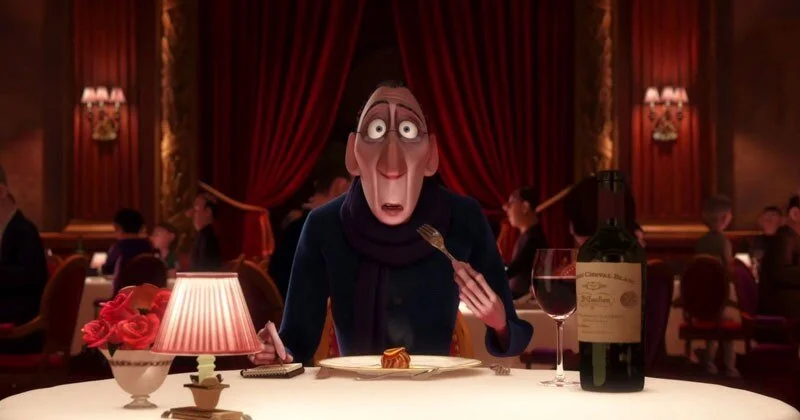
But as I spent my first few hours playing through Final Fantasy Resonance, I experienced one of those moments that’s difficult to put into words. The best way I’ve been able to explain it to my friends is by comparing it to that scene in Ratatouille where the food critic takes a bite of a seemingly simple meal, only to be instantly transported back to his childhood.
While the visuals, voice acting, and music are absolutely stunning by today’s standards, at its core, Final Fantasy Resonance manages to capture the unique spirit of the Squaresoft RPGs I grew up playing. And perhaps most impressively, it does so with a story and cast of characters strong enough to stand on their own, even without the inclusion of legendary heroes from Final Fantasy’s past.
A Modern Take on Classic Pixel Art
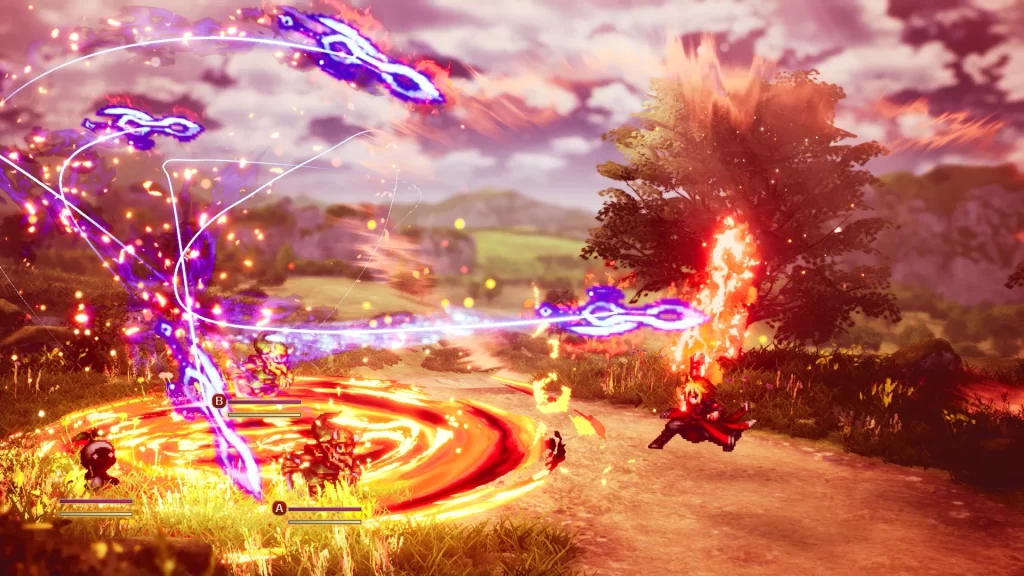
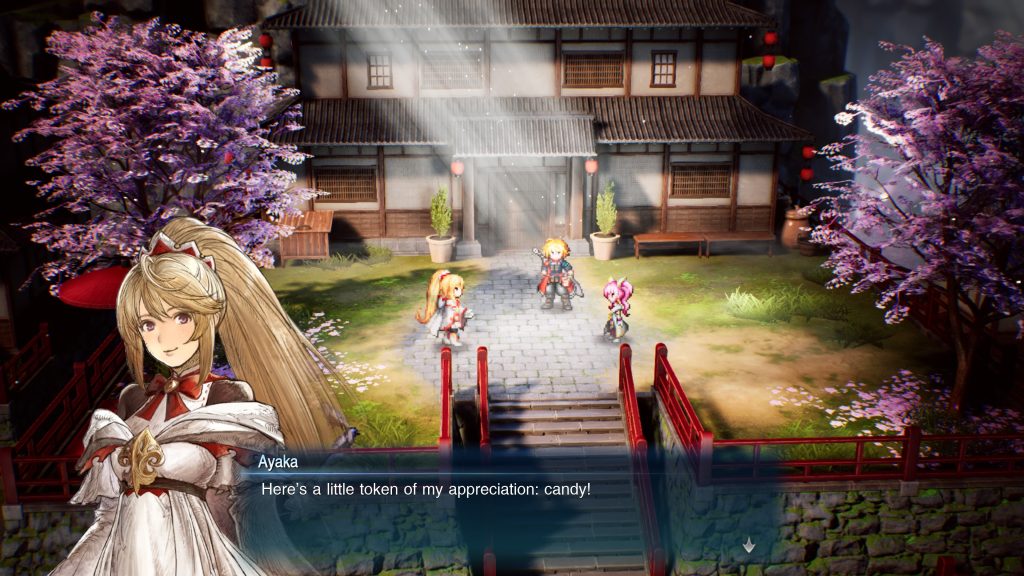
Now, before we get too far into this review, I want to talk a little bit about HD-2D and what exactly it is. For those unfamiliar, Square Enix’s HD-2D visual style combines classic 16-bit-inspired pixel art with modern lighting effects, 3D environments, and a level of detail that simply wasn’t possible on the hardware of the past. The result is a beautiful blend of old and new that manages to capture the charm of traditional pixel art without being held back by the technical limitations of the 16-bit era.
Over the past several years, Square Enix has embraced this visual style with games like Octopath Traveler, Triangle Strategy, and Dragon Quest III HD-2D Remake, each taking full advantage of what HD-2D has to offer. We even got a small taste of something similar in the Final Fantasy Pixel Remaster collection, with the iconic opera scene from Final Fantasy VI receiving a gorgeous visual overhaul that felt right at home alongside Square Enix’s HD-2D titles.
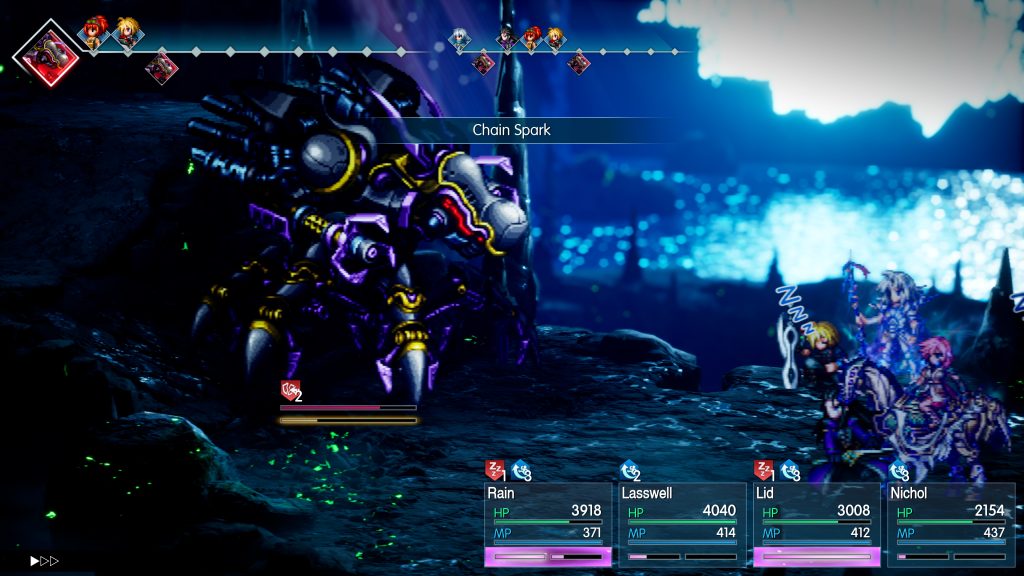
But despite the style making its debut over eight years ago, Final Fantasy Resonance marks the first time we’ve seen a full-length Final Fantasy adventure built entirely around this HD-2D aesthetic, and I genuinely can’t think of a better fit for the franchise.
Resonance is filled with familiar enemies, creatures, and visual callbacks to classic Final Fantasy games, and seeing them brought to life in this style is absolutely stunning. What makes it so impressive is just how faithful everything feels to the original designs. Enemies look almost exactly how I remember them on the Super Nintendo, only now they’re surrounded by beautifully detailed environments, gorgeous lighting effects, and subtle animations that breathe new life into each of them.
To my delight, there are tons of enemy designs pulled straight out of Final Fantasy VI, and they look absolutely perfect in their updated visual style. They’re not changed enough to make them unrecognizable, but just enough to make them really pop in HD.
And that’s what makes HD-2D so special to me. It doesn’t try to reinvent the visual identity of these classic games. Instead, it builds upon what made them so memorable in the first place. After spending time with Resonance, I’m ready for a world where Square Enix remakes the entire 2D Final Fantasy backlog using this engine. The Pixel Remaster series was a good start, but HD-2D would be the real endgame in my opinion. It’s just that good.
A Classic Final Fantasy Adventure
Let’s dive into the story a bit, shall we? As I mentioned above, Resonance takes its story and characters directly from the mobile title Final Fantasy Brave Exvius. However, all of the original mobile game’s gacha mechanics have been completely removed, and the experience has instead been rebuilt from the ground up as a full-fledged, single-player RPG.
The story itself has all the hallmarks of a traditional Final Fantasy adventure. We’re talking swords, magic, summons, Chocobo, wacky enemies, kingdoms at war, and protecting the crystals of the elements from evil doers who want to destroy the world. You know, that old story.
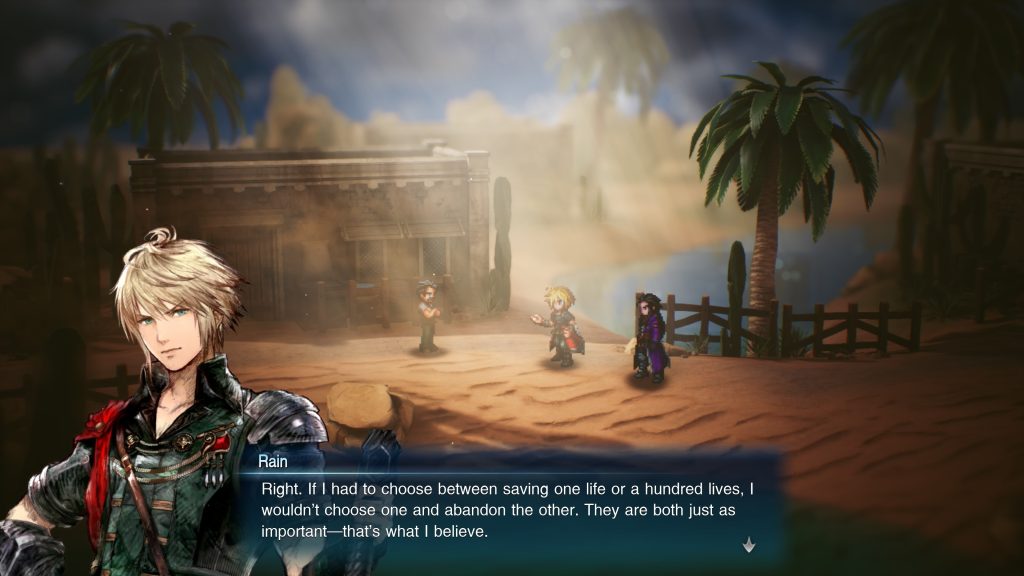
This time around, our story follows Rain, a young knight from the Kingdom of Grandshelt, and his longtime friend and fellow knight, Lasswell. Their adventure begins when they encounter mysterious armored figures, setting off a chain of events that threatens to destroy the crystals and potentially the world in the process.
And, of course, it wouldn’t be a proper Final Fantasy adventure without a colorful cast of characters joining you along the way, and Resonance delivers just as it should. As the adventure progresses, we’re introduced to characters like Lid, a young airship engineer with a mechanical chocobo; Jake, a rebel leader whose abundance of flirtatious energy reminds me a whole lot of Edgar from Final Fantasy VI; and Sakura, an ancient sage with youthful energy and wisdom far beyond what her appearance might suggest.
Each party member feels fully fleshed out, complete with their own personalities, motivations, and backstories to explore. While the main story does a great job of introducing these characters, those looking to dig even deeper into their personal histories will find optional side quests scattered throughout the world map that provide additional insight into their lives.
Long story short, the ensemble works incredibly well together, giving me flashbacks to the chemistry between party members in Final Fantasy VI, which is about as high a compliment as I can give.
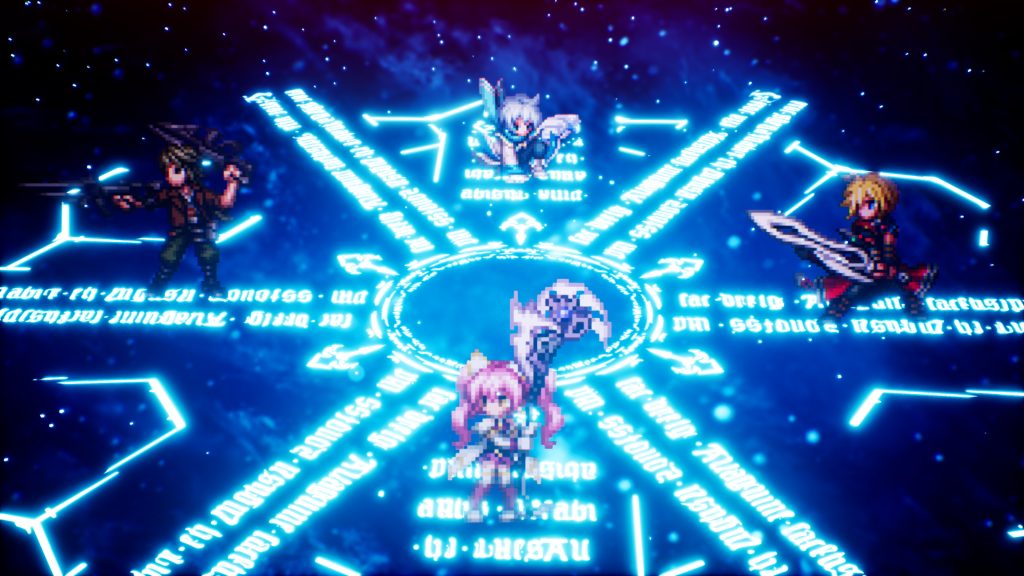
However, unlike those classic 16-bit RPGs, Resonance has the luxury of modern voice acting and beautiful orchestral arrangements, which add an entirely new layer of depth to the experience. Instead of having to imagine how certain conversations might play out or how a character might react to a particular situation, you actually get to hear those emotions come through in their performances, all accompanied by an absolutely beautiful soundtrack that makes everything feel that much more impactful.
And thankfully, the voice cast does a fantastic job of bringing everyone to life. Each of the main characters is voiced with a level of care and personality that makes them feel genuine, without falling into the overly dramatic delivery that can sometimes plague modern JRPGs. The result is a cast that’s not only enjoyable to follow, but one that’s genuinely easy to get attached to as the story unfolds.
The story itself never felt like a slog, taking me about 35 hours to complete from start to finish, with a handful of side quests sprinkled in along the way. However, even after the credits rolled, I found myself diving back in to complete more side quests, take on some superbosses, and simply explore the world map. So far, I’ve clocked around 60 hours of playtime, and I still have plenty left to do. There’s definitely no shortage of content here for the completionists among you, but the beauty of it is that you’re free to decide just how much of the world you want to explore and experience.
Turn-Based Combat With a Twist
Resonance embraces the traditional turn-based combat that defined so many of the Final Fantasy series’ earlier entries. Unlike the fast-paced, action-oriented battles found in more recent Final Fantasy games, Resonance slows things down and puts strategy front and center. Every encounter gives you time to think through your next move, whether that’s unleashing a powerful attack or casting healing spells.
But don’t mistake the slower pace for a lack of depth. While the combat will feel immediately familiar to anyone who grew up playing classic Final Fantasy games, there’s a surprising amount of strategy involved. Simply selecting your strongest attack and hoping for the best won’t get you to the end credits.
Each enemy has its own set of weaknesses, resistances, and immunities that you’ll need to keep an eye on throughout each battle. An attack that absolutely devastates one enemy might barely scratch another, forcing you to constantly rethink your approach. Success often comes down to understanding your party’s strengths and weaknesses, exploiting enemy vulnerabilities, managing your resources, equipping the right accessories to mitigate negative status effects, and knowing when to play defensively rather than going all out on offense. Some later enemies require you to not only look at weaknesses, but patterns in the enemies behavior, so get ready to keep your eyes open and look for clues if you want to be successful. (I’m looking at you, Sephiroth!)
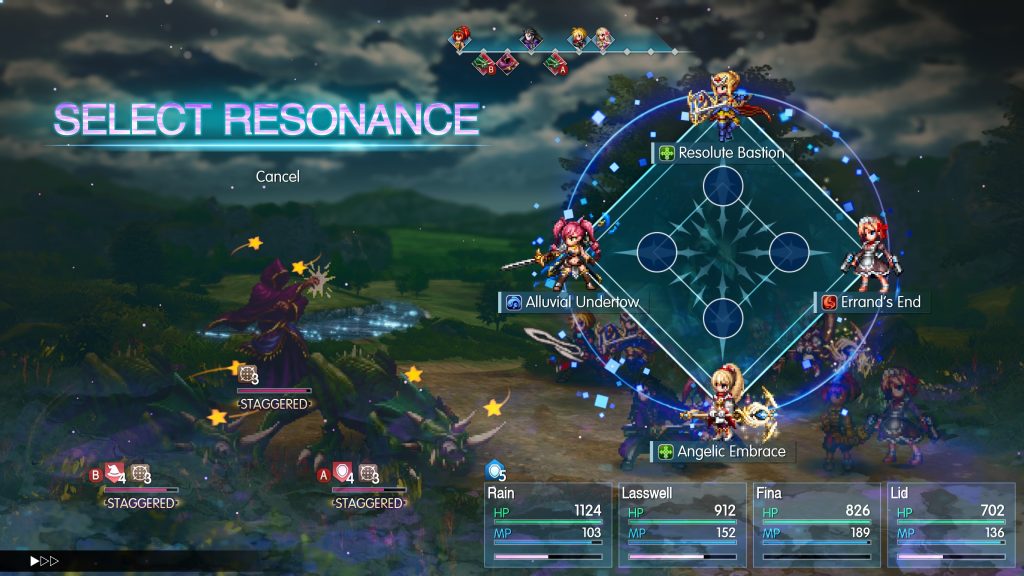
Adding another layer of strategy to the combat is the stagger system, which should feel immediately familiar to anyone who’s played some of the more recent Final Fantasy games. In addition to their traditional health bars, enemies also have a stagger gauge that can be depleted by exploiting their weaknesses. Once that gauge hits zero, the enemy becomes staggered, leaving them vulnerable to additional punishment.
This includes a mechanic called Sweeping Staggers, which allows your entire party to unleash a chain of consecutive attacks, dealing a tremendous amount of damage in a short period of time. Learning how to take full advantage of these opportunities is going to be key to overcoming some of the game’s more challenging encounters. You’ll also need to keep a close eye on any knocked-out party members or status ailments that might prevent a teammate from participating in the stagger chain. After all, the last thing you want is to finally stagger a particularly tough boss, only to realize half your party can’t deal any damage.
This creates a satisfying risk-and-reward element to battles, as you’ll often find yourself deciding between dealing immediate damage or focusing on breaking an enemy’s defenses to set up a much more devastating attack. And while the system is relatively easy to understand, it becomes increasingly important as you encounter tougher enemies and bosses that require more thought than simply throwing your strongest attacks at them.
So, to sum it all up, the battle system is fun! Not just well put together, but legitimately fun. There’s something incredibly satisfying about carefully planning your moves and setting up the perfect takedown, and that’s exactly what makes turn-based combat so enjoyable in the first place. The addition of the stagger gauge and Visions system only elevates the experience further, adding even more strategy to an already excellent battle system.
And speaking of the Visions system…
A Vision of Final Fantasy’s Past
And that brings us to probably the most distinctive, and certainly one of the most heavily marketed, features of Final Fantasy Resonance: the Visions system.
Visions are essentially spirits that fight alongside our main cast throughout the adventure. Unlike traditional Final Fantasy summons like Ifrit or Shiva, which typically appear to unleash a powerful attack before disappearing, Visions remain alongside your party, enhancing each character’s abilities (like a job system) while also providing unique skills and attacks of their own.
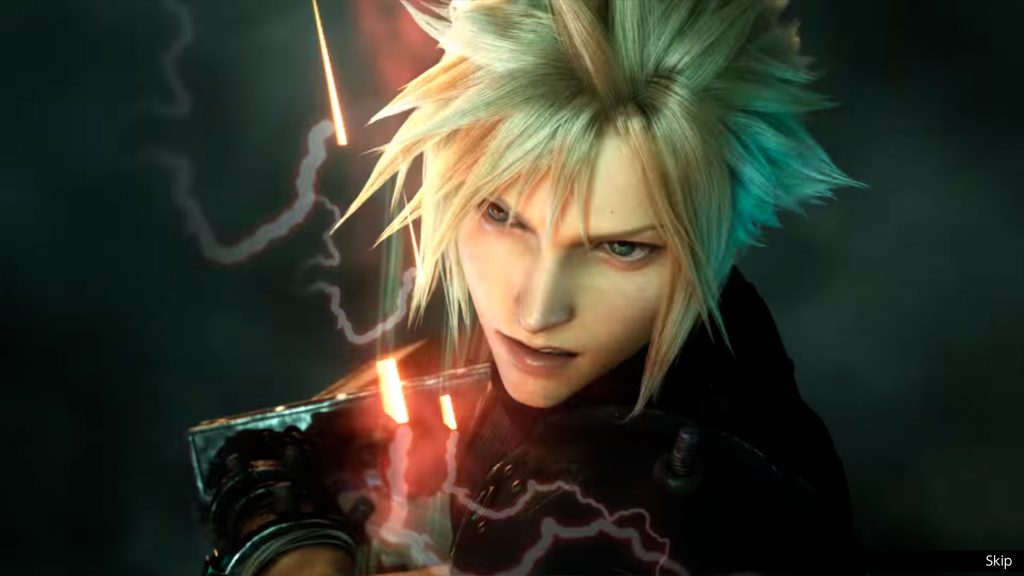
And as I’m sure many of you already know if you’ve seen any of the trailers or marketing material for Resonance, these Visions take the form of some of the most iconic characters in Final Fantasy history, including Cloud, Terra, Tidus, and the Warrior of Light. There are more than 20 Visions to uncover throughout the adventure, including a few that might genuinely surprise you (if you haven’t seen all the trailers, that is).
When I first started playing, my immediate instinct was to simply equip my favorite Final Fantasy characters and call it a day. And honestly, I imagine that’s exactly what a lot of players are going to do. But as you progress through the game, it quickly becomes apparent that having a diverse collection of Visions at your disposal is going to be far more beneficial than simply sticking with your favorites.
For example, Cloud relies on lightning-based attacks, while characters like Tidus bring a variety of water-based abilities to the table. Depending on the enemies you’re facing, having the right combination of Visions can make an enormous difference in battle. And when you factor in the weaknesses, resistances, and stagger mechanics I mentioned earlier, the system adds an entirely new layer of strategy to an already surprisingly deep combat experience. Simply spamming attacks from your favorite Final Fantasy character isn’t always going to cut it.
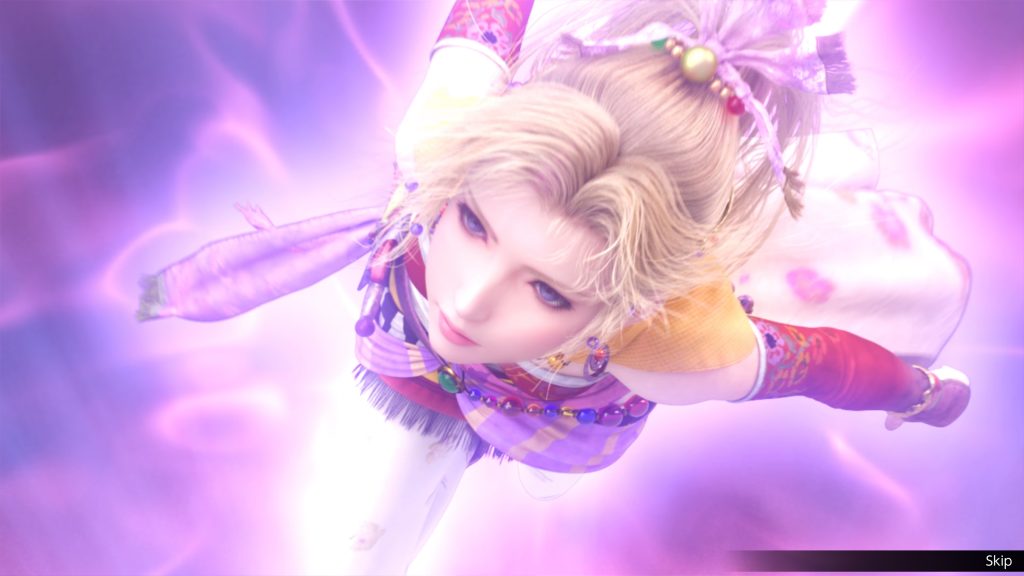
And then there are the finishing moves.
When an enemy is staggered, you’ll sometimes have the opportunity to unleash an incredibly powerful attack from one of your equipped Visions, essentially functioning as a Limit Break. Each Vision has its own unique finishing move, complete with a fully rendered CGI cinematic showcasing that character unleashing absolute hell on whatever unfortunate enemy happens to be standing in front of them. Seeing some of my favorite Final Fantasy characters brought to life in these beautifully animated sequences is an absolute treat, especially as someone who grew up with many of these characters in their original pixelated or low-poly forms.
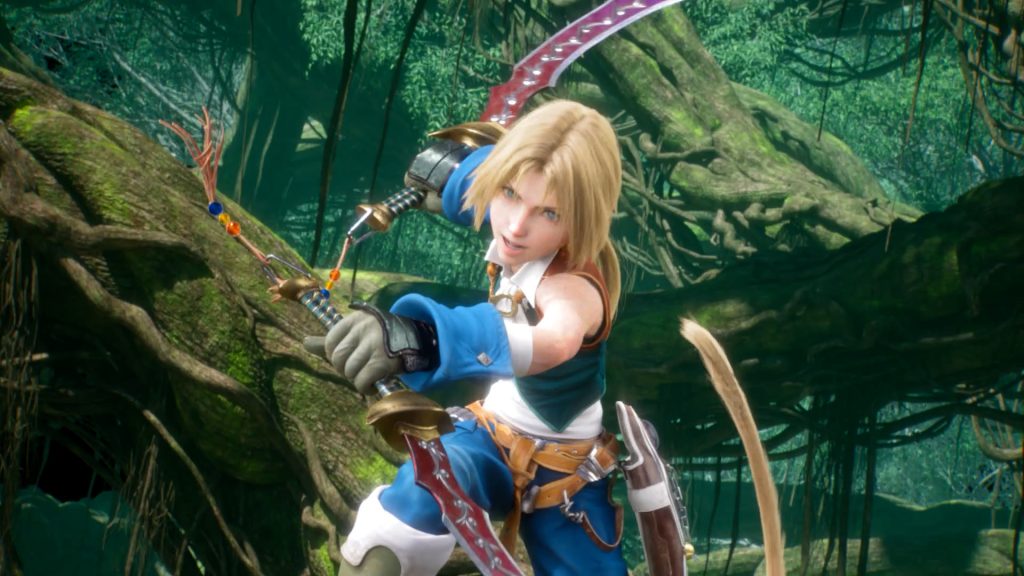
But as much as I love the Visions system at its core, I also think it’s where Resonance suffers from some of its biggest missed opportunities.
Throughout the adventure, you’ll discover special crystal caves scattered across the world where new Visions can be unlocked. Unfortunately, finding these locations isn’t particularly challenging, as they’re clearly marked on your map. And with a few exceptions, actually unlocking a Vision is little more than pressing the A button a few times and answering some basic questions about the character’s personality. There’s no real challenge involved, and since there aren’t any wrong answers, you’re guaranteed to walk away with a new Vision regardless of your choices.
After going through this process for what felt like the tenth time, I couldn’t help but think about how much more interesting the system could have been. Imagine if unlocking each Vision required completing a special battle or challenge inspired by that character’s original game. Better yet, what if you were briefly transported into their world, allowing you to revisit iconic locations or moments from throughout Final Fantasy history? It feels like such a natural fit for the Final Fantasy multiverse that Resonance is trying to sell us, and it’s a shame that acquiring these legendary characters ultimately feels so routine.
What’s even more frustrating is that several non-legacy Visions actually do offer something along these lines, requiring you to complete side quests before fully unlocking their abilities in battle. You learn about each of these characters through gameplay and conversations, and by the time you acquire the Vision, you actually care about the character in the context of this story. The groundwork is clearly there, which makes it all the more disappointing that the same level of detail wasn’t extended to the legendary characters.
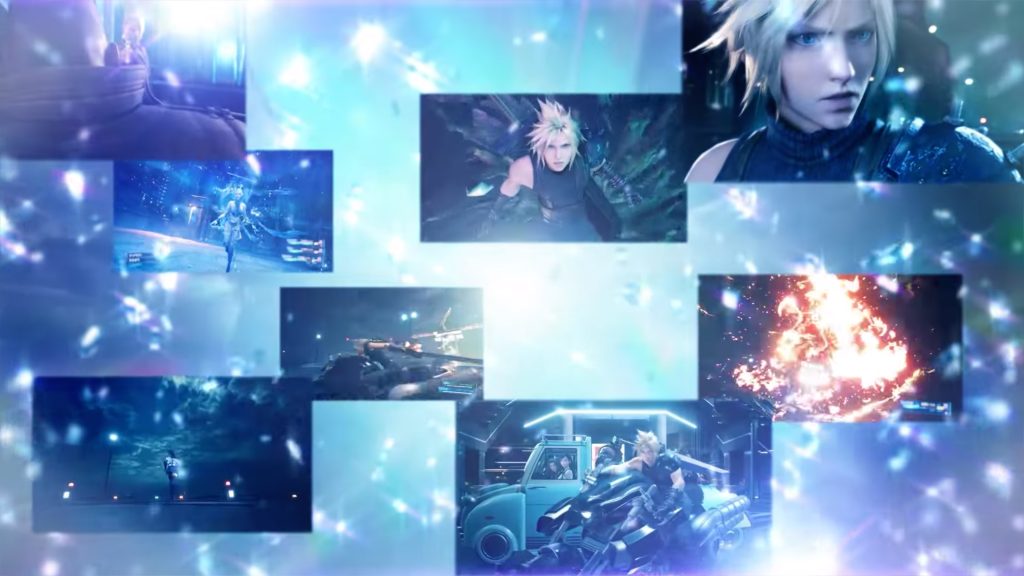
One final oddity I noticed was the lack of English voice acting for the Visions themselves. While the main cast benefits from some genuinely excellent English performances, the iconic Final Fantasy characters featured as Visions retain their Japanese voice acting. I’m not entirely sure why Square Enix made this decision, especially considering that many of these characters already have established English voice actors. It’s certainly not a dealbreaker, but it does feel a little strange hearing Japanese dialogue mixed into an otherwise fully English-voiced adventure.
Hopefully, if Resonance ever receives a sequel, Square Enix will take the opportunity to flesh out the Visions system even further. But even in its current form, it’s an incredibly enjoyable addition that brings a tremendous amount of variety, strategy, and fan service to an already excellent battle system.
Final Thoughts
Final Fantasy Resonance manages to take everything that made the classic 16-bit Final Fantasy adventures so special and translate it beautifully for a modern audience. Its traditional turn-based combat, gorgeous 16-bit-inspired visuals, and modern HD-2D presentation make Resonance feel worthy of a numbered entry in the franchise, rather than simply another spinoff.
Its story is compelling from beginning to end, its battle system offers a surprising amount of depth, and while I certainly have my criticisms of the Visions system, there’s more than enough here to keep the entire adventure feeling fresh throughout its 30+ hour runtime. More importantly, Resonance manages to capture that special feeling I had playing Final Fantasy games as a kid, something that very few modern RPGs have been able to replicate.
If you’re a fan of Final Fantasy, or just traditional turn-based RPGs in general, I have a feeling you’re going to have an absolute blast with Resonance. It’s a love letter to the franchise’s past that manages to stand on its own as a genuinely fantastic RPG.
And if there’s one thing I took away from my time with Resonance, it’s that I can’t wait to see what Square Enix does next with this visual style. I can only imagine what a full HD-2D reimagining of Final Fantasy VI or Chrono Trigger could look like, especially after seeing just how beautifully Resonance brings the classic Final Fantasy aesthetic to life.
Leave a Comment
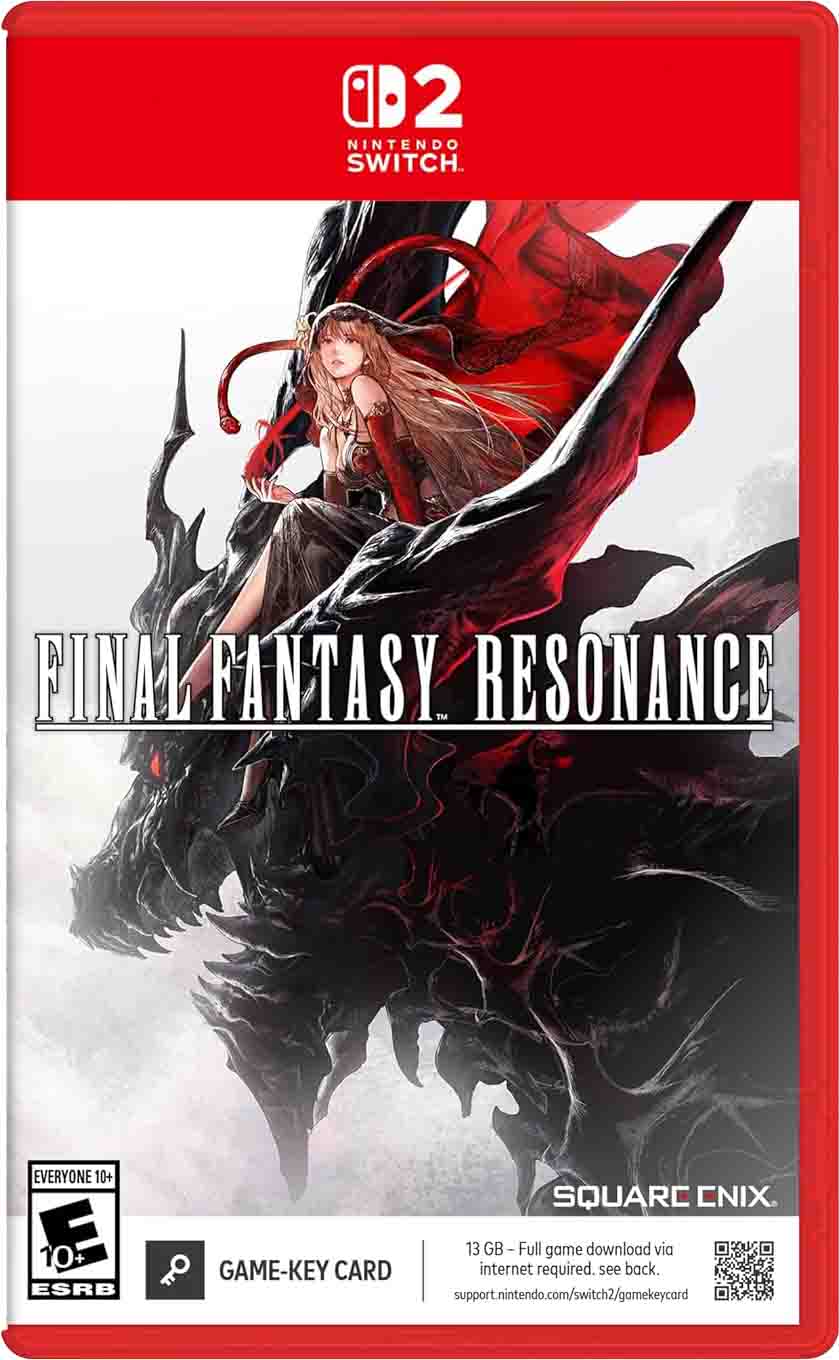
System: Nintendo Switch 2
Release Date: October 22, 2026
Categories: Adventure, Role-playing
Publisher: Square Enix
Developer: Square Enix

Written by Jason Ganos
Nintendo super fan since birth, Jason is the creator of Amiibo News and editor-in-chief at Nintendo Wire. One of his life goals is to provide the latest Nintendo news to fellow gamers with his natural know-how.
