

Our love of Capcom’s Switch 2 prominence is no secret, fostered through fantastic ports of familiar franchises and brand-new adventures over the last year. That’s all well and good, but this is a company with over 40 years of history. We have plenty of icons available or on the way, but it’d be impossible for every series to get the same level of attention.
That’s what makes Onimusha: Way of the Sword so special right out the gate. We haven’t had a new Onimusha game in over 20 years. Capcom has revitalized the fan-favorite in the RE Engine, holding to familiar themes while reinventing the gameplay. Old story beats have been left behind for a new protagonist and some of the finest swordplay I’ve experienced in a video game.
Taking place in Kyoto during the Edo period, Way of the Sword puts you in control of legendary samurai Miyamoto Musashi. Early circumstances see him equipped with an Oni Gauntlet, granting him otherworldly power. The problem is, on a personal level Musashi rejects the idea of gaining strength from anything other than himself. This prompts him to cut his way through Kyoto, gathering monster souls within the gauntlet to eventually remove it.
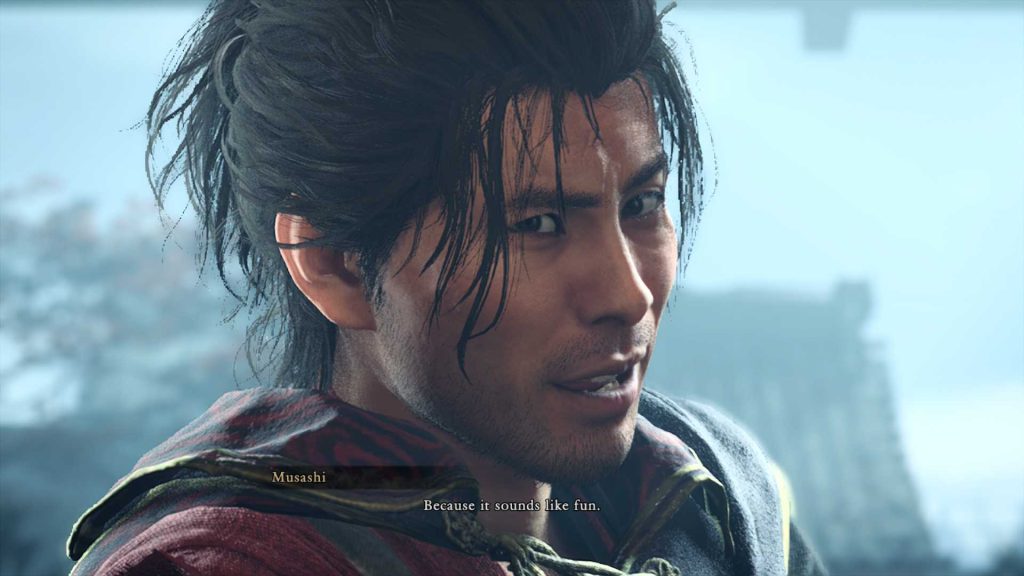
It’s a unique motivation, being both selfish and admirable at the same time. That kind of machismo is rendered exceptionally well via the likeness of the late Toshiro Mifune. Anyone unfamiliar with his impact on samurai cinema owes it to themselves to look into his filmography. Kudos to the game’s animators for rendering familiar facial tics, evocative expressions and clear character growth through this melding of legendary figures.
The cast is filled out with takes on other Japanese figures both historic and folkloric. Musashi’s rival Sasaki Kojiro, here going by Ganryu, is particularly entertaining as an unhinged rival swordsman and narrative foil. While I’m unable to go too deep into the game’s narrative in the interest of avoiding spoilers, it drew me in well enough for its 25 or so hours and is completely accessible for anyone who’s never played an Onimusha game.
Of course, if this was just about a compelling lead and gripping story you could just have a Kurosawa movie night. The highest praise goes to the game’s fleshed out and rewarding swordplay. Parrying has always been satisfying in video games, and Way of the Sword uses that as a foundation for something special.
Once you lock on to an enemy, Musashi and that foe will effectively be in a duel. You can make use of one and two-handed sword slashes to go for them aggressively, which can work with weaker enemies, but it’s once you master your defensive options that fighting becomes an art form. You’re able to block continuously as long as a stamina gauge remains full, but by timing button presses with enemy attacks you’ll be able to deflect them and even steer them a bit, positioning them so you can press your counterattack. Physical strikes, like kicks and grabs, need to instead be dodged to build up a reflex gauge that will allow you a brief window of time to slash with impunity as time slows down.
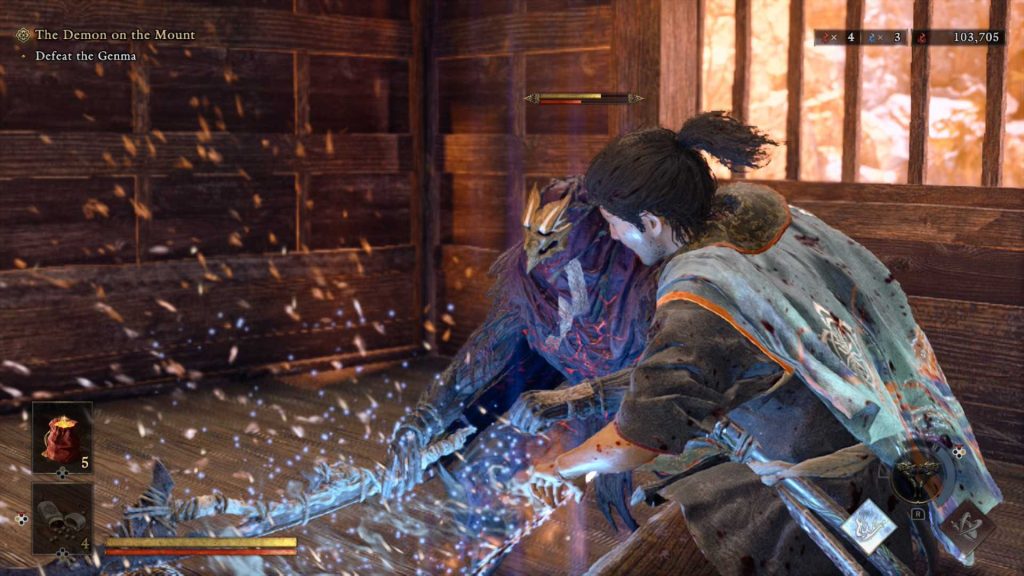
Reading enemy animations and reacting properly with parries and dodges is one thing, but nothing beats your last, core option. By instead attacking when an enemy tries to attack (which carries the strictest timing window) you’ll deftly dodge and unleash a powerful single stroke. These Issen attacks deal increased damage and deplete enemy stamina more efficiently than hacking away, and when mastered can even be chained to one shot your way through groups of enemies one at a time.
Learning and understanding your options and applying them to recurring enemy types is rewarding and visceral. Sound design and camera work pair with these moments as well, giving the game added cinematic flair via close ups and one-liners from Musashi. I never got tired of deflecting an attack, hearing the drag of steel on steel, and watching your sword come alive with blue flames to signify you’d entered a more powerful state.
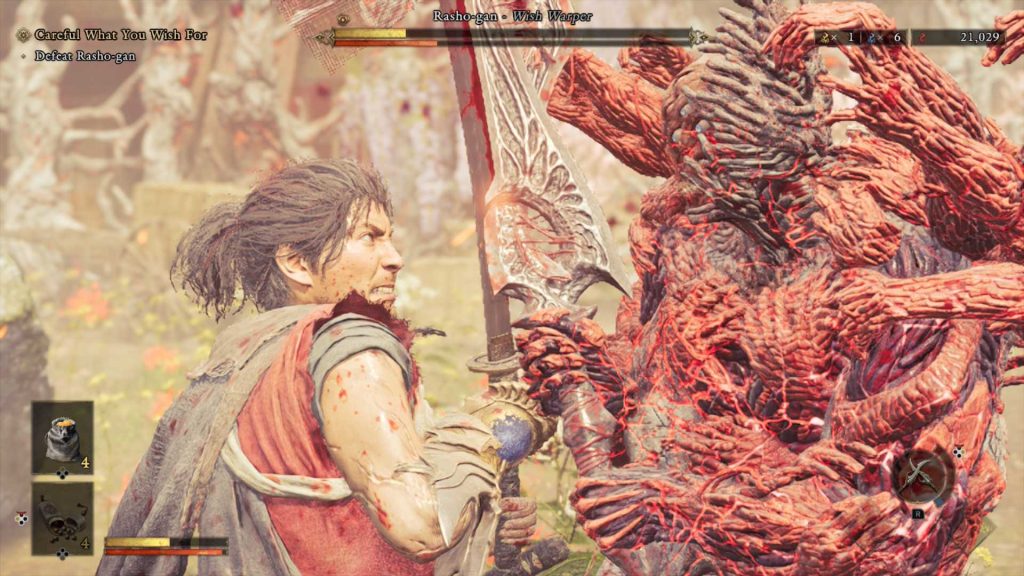
It’s almost zen-like how in the zone you can become during combat, and that goes double for boss fights. These amp up the intensity with more unique attack patterns, with any boss that utilizes a sword of their own feeling particularly satisfying to overcome. I really appreciate that when you manage to break their stamina you get the opportunity for multiple boss-specific attacks, with some prioritizing damage and others refilling your various meters or health via floating souls that can be drawn to the gauntlet.
Contrasting those peak moments, carving through the same mobs of low level (and low effort) enemies can get a bit dull. This goes double for roaming mobs around the main Kyoto map, who are persistent and annoying when you’re just trying to cross the city from A to B. It’s easy to dispatch them, and they feel like they drop off in frequency as the game goes on, but they never quite go away.
Complementing the sword are Oni Armaments. These are accumulated over the course of the game and give you special techniques to refine and diversify your approach to combat. For example, the first one you receive is a pair of blades. These let unload a combo of quick strikes on an enemy that’s guaranteed to release several yellow souls, which replenish your health. Eventually you’ll gain ones that offer additional options, such as projectiles or ways to increase the yield of red souls — the game’s currency for skill upgrades and items.
I found myself relying on a pair of clubs in particular that literally crack the air around their impact point and deal massive damage to stamina bars. This let me trigger and even chain breaks more deliberately, which felt effective against bosses and groups of enemies in equal measure. Exploring and freely changing these tools in combat is worth exploring, and they fit in well with the series’ identity, being directly tied to the Oni themselves.
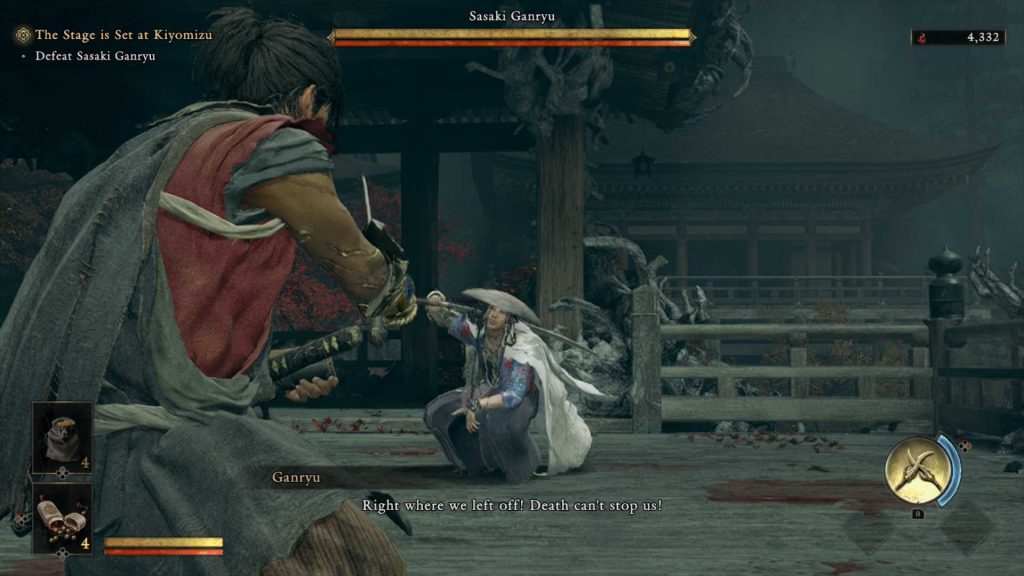
You do gain some other Oni powers over the course of the game as well, and all of them have a dedicated group of unlockable improvements (as does your swordplay). Not every upgrade feels as impactful as others (one lets you open certain, specific gates faster…yay?), but the ones that grant you new skills or elevate your core options made seeking out upgrade materials via sidequests or treasures around Kyoto worth pursuing.
Good thing those rewards are worth it, too. My biggest complaint with this Onimusha is just how plain its hub feels. Once you’ve seen one temple or side street in its version of Kyoto you’ve essentially seen them all. There are some pockets of variety, but when they host the same handful of plain NPCs and those annoying mobs of enemies I mentioned it can make exploring for those upgrade materials more of a chore than it ever needs to be. That the vast majority of the game’s side content is hosted within Kyoto ensures those flaws are ever present.
Thankfully there are maps outside of Kyoto that breathe more life and scenic appeal into Way of the Sword. One portion of the game puts you in an underground laboratory where human experimentation is running rampant, paying some level of tribute to the series’ original intent as a ninja-like take on Resident Evil with the grotesque creature designs it introduces there. Others are more gorgeous, like a mountain-side castle wreathed in autumn leaves with dark secrets of its own and the ethereal kintsugi-covered Oni realm.
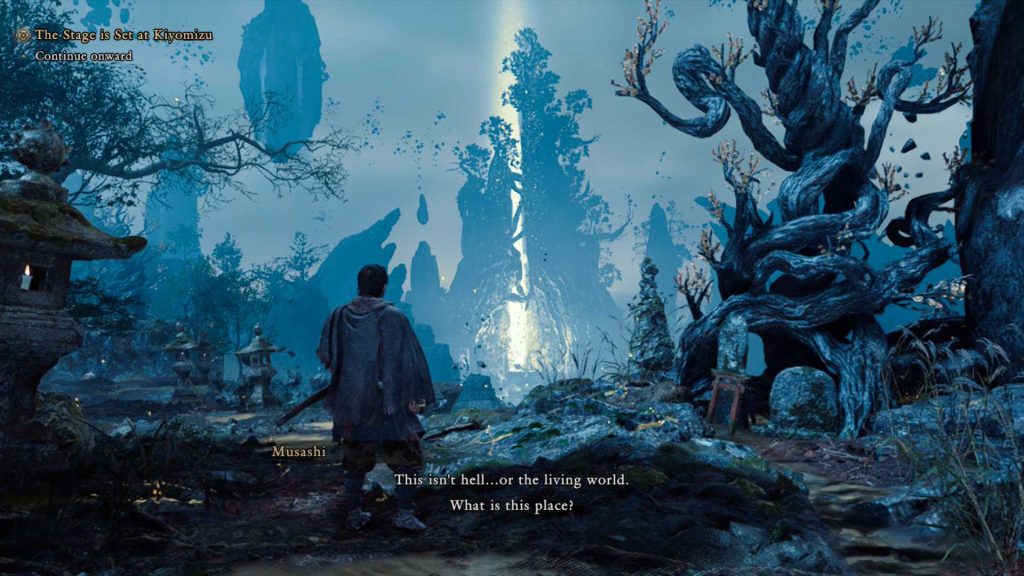
All of those strengths wouldn’t mean much if the game didn’t perform well on Nintendo’s hybrid console. Thankfully, Onimusha: Way of the Sword looks and plays great on Nintendo Switch 2. I spent the vast majority of my time playing handheld, with about two thirds of that in locked 30 fps and the remainder with the frame rate uncapped. The stability of the former was serviceable, but once I made the change to uncapped I never looked back. Some small moments, such as explosions while several enemies were present or more detailed portions of certain maps, can cause the frame rate to dip but largely it was a smooth and solid time in that configuration.
While it can’t hit 60 fps in handheld or docked, playing on TV will lead to increased, upscaled resolution and some added stability but still only reaching about 40 fps. Other platforms will have it beat in those regards, which is perhaps more notable for a game that leans into its cinematic samurai inspirations, but I can comfortably recommend Switch 2 as a great way to play Onimusha and another highpoint in Capcom’s continued support of the system.
Onimusha: Way of the Sword successfully revives an often overlooked series. Its satisfying gameplay and charismatic lead are highlights, delivering a fantastic step forward for the dormant franchise that doesn’t demand familiarity with past entries. It may falter with some of its side content, but the exceptional boss fights and growing arsenal of Oni Armaments do a great job at pushing you forward to experience all it has to offer.
My sincere hope is that this signals not just a return of Onimusha, but spurs Capcom to continue reviving older games. Bring Dino Crisis back to life, show us that Darkstalkers aren’t dead, and put your guns on for Sengoku Basara; I could go on. Digressions aside, the return of this dark fantasy feudal Japan is worth celebrating, and anyone after an exceptional action adventure won’t be disappointed.
Leave a Comment
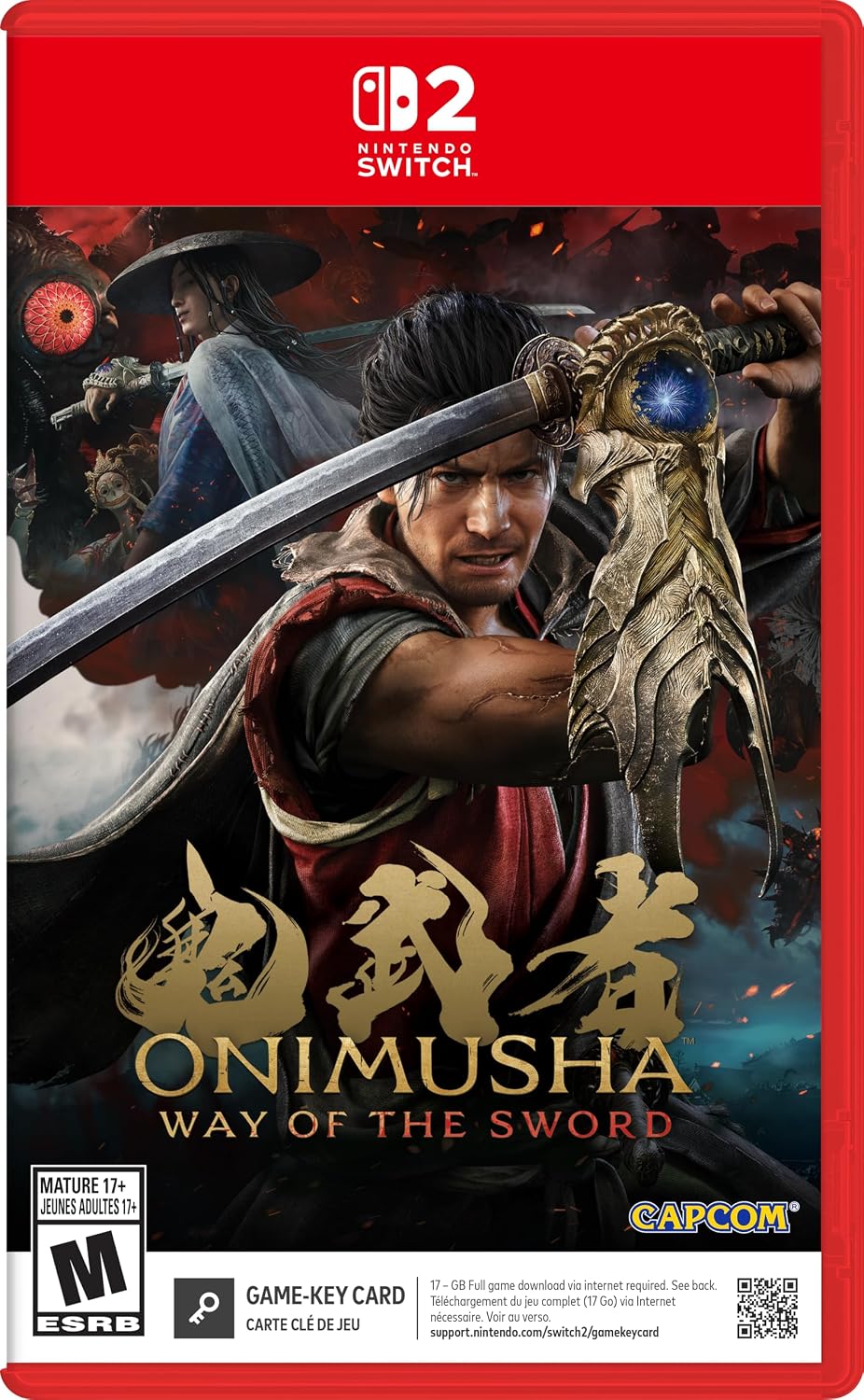
System: Nintendo Switch 2
Release Date: September 4, 2026
Categories: Fighting, Action, Adventure, Role-playing
Publisher: Capcom
Developer: Capcom

Written by Ricky Berg
When he isn’t writing for Nintendo Wire, Ricky’s anticipating the next Kirby, Fire Emblem, or if the stars ever align, Mother 3 to be released. Till then he’ll have the warm comfort of Super Smash Bros. to keep him going.
