

In a new interview published by Game Informer today, Donkey Kong Bananza producer, Kenta Motokura, and programmer, Tatsuya Kurihara, were asked a series of questions about the creation of Bananza following a panel at GDC this year. While the entire discussion is filled with a lot of interesting tidbits about the technical makeup of the game, there is one particular moment that immediately stuck out to me: Kurihara admits that the team went too far with the power of the Elephant transformation.
“I think we can agree the most destructive transformation is the Elephant Bananza,” Kurihara said when asked about how the team prototyped the different transformations for balancing. “And honestly speaking, it probably went too far. But at the same time, it’s fun, it feels good. And that’s what matters most,” he continued.
Motokura added:
“Because our goal is to make playful destruction possible within the game, we wanted a slightly different structure than what you would have found in, say, traditional Mario games, where you have to encounter or have in your possession items to be able to transform. We wanted, in the case of Donkey Kong Bananza, for Donkey Kong to be able to transform anytime to up the destruction.”
Being one of the few people that wasn’t too hot on DK Bananza, I feel like the dominance of the Elephant transformation is one of the key things that stopped me from loving the game more. In the early stages of Bananza, the transformations you receive give you the chance to view each space from a different perspective, such as “Kong” allowing for quicker destruction or “Zebra” limiting your power for pure speed. When you get Elephant, it becomes so obviously the best answer for 95% of the situations that all the guesswork and spontaneity of the puzzles goes out the window.
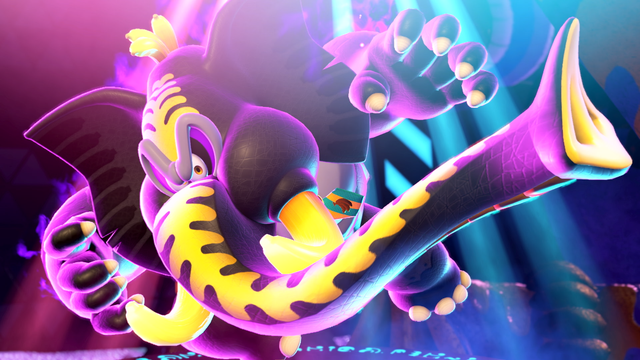
Motokura does bring this up in the same interview. When asked about how level design philosophy changed in the face of players being able to break everything, Motokura said, “We have to think about the placement of all of these elements, and not even just the ones that are visible: the ones that are hidden, as well. And that brings a different kind of challenge into level design where you really have to have all of these placements correct throughout the world and inside of it.” The thing is, Elephant Bananza obliterates all of that. If you know things are hidden in the dirt, why would you waste time with Kong or Ostrich when you can swap to Elephant and vacuum everything up efficiently?
My grievances with Elephant Bananza aside, the rest of the interview is a very insightful read for those interested in how games get made. Make sure to read it for more information about DK Bananza.
Check out more Donkey Kong content
Donkey Kong Country Returns HD gets surprise update with Dixie Kong and Switch 2 enhancements
Donkey Kong Bananza takes home Best Family Game at The Game Awards 2025
Leave a Comment

Written by Peter Glagowski
Peter has been a freelance gaming and film critic for over seven years. His passion for Nintendo is only matched by the size of his collection.
