


Carlo Collodi’s The Adventures of Pinocchio has paved the way for many adaptations over nearly a century and a half. 2023’s Lies of P reimagines the puppet wished to life, the talking cricket, and so much more of that story into a dark action RPG of all things. It creates the groundwork for a stunning world full of rebelling puppets, roaming mercenaries wearing animal masks, and a son driven to do right by his father.
Somehow it works, bolstered by strong art direction and twists on familiar gameplay that work to the game’s benefit. It isn’t perfect, but it does a fantastic job emulating its chief inspiration with just enough to call its own. This package makes its way to Nintendo Switch 2 with its Overture DLC included, offering up additional story and more of that strong gameplay. None of that would mean a thing if it didn’t perform well on Nintendo’s latest system. Thankfully, fans needn’t worry on the front — and that’s the truth.
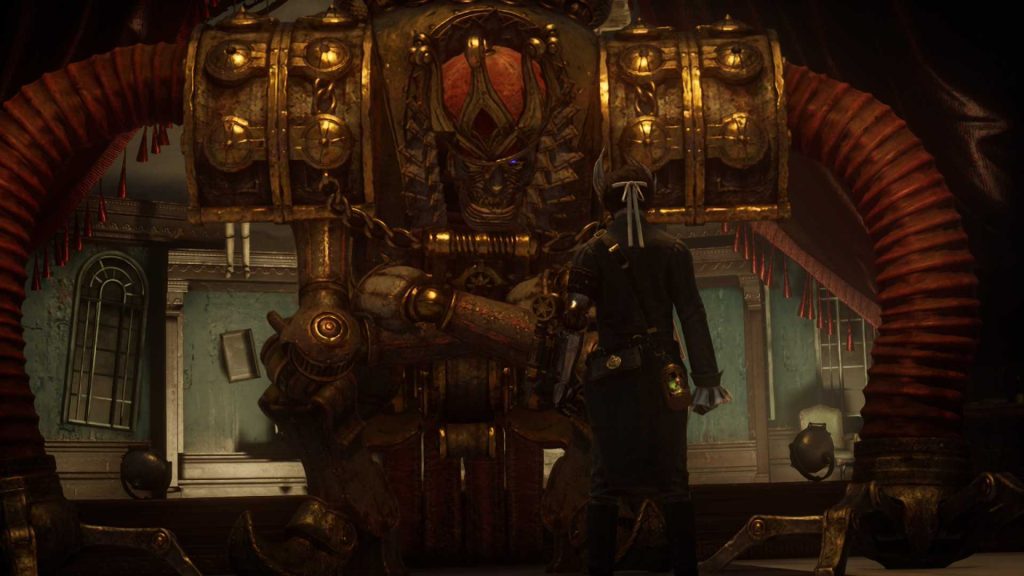
Let’s get that burning question out of the way — how does Lies of P play on Switch 2? As a whole, I’d say pretty damn well. Both docked and handheld have dedicated performance and quality modes, with docked also offering a balanced setting to split the difference. Docked performance would be my recommendation, as it targets 60 fps and still lets the world and art direction shine while keeping the gameplay smooth and fluid. Textures, lighting, and character models take some hits compared to docked quality mode, but that instead runs at a steady 30 fps.
Handheld is a bit of a different story. Ahead of launch, only performance and quality options were available, though we’ve been told a day one patch will add an additional setting that gives handheld a 60 fps option, which might relabel the existing settings for parity with the docked options.
While not unplayable, quality mode in handheld had a noticeable impact on the frame rate and I’d advise avoiding it. I spent the vast majority of my 25 hour playthrough in handheld performance, and found it consistent and respectable. Any close-ups on character models made their low quality apparent, but during moment to moment gameplay (that is, combat and exploration) and scenes I had no major complaints.
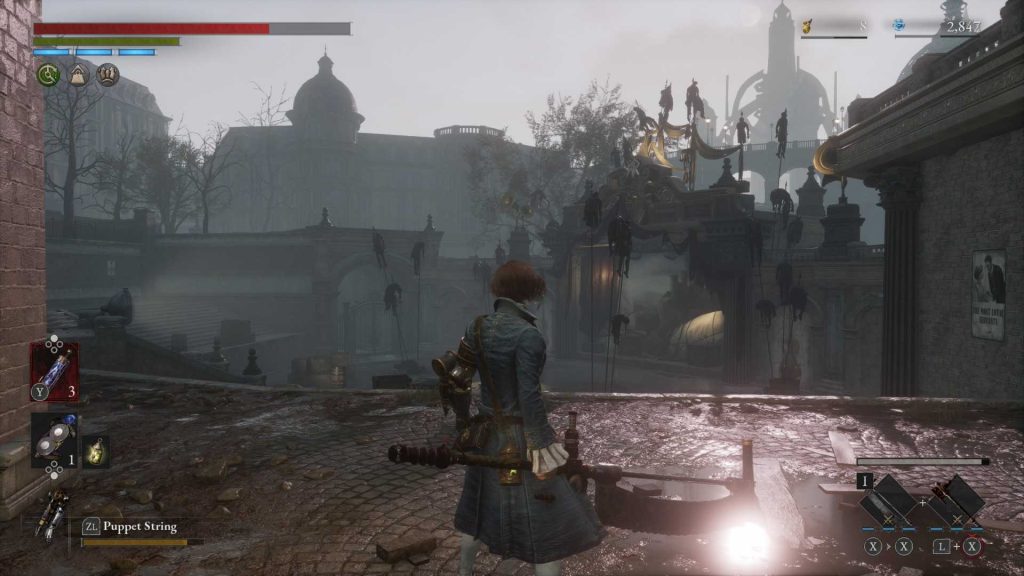
Assuming the day one patch improves upon this foundation, I’d be impressed with Lies of P’s Switch 2 performance as a whole even with the clear high and low points. There are some occasional times where textures pop in, particularly when loading into a new area, which can be jarring but not overly detrimental. Anyone concerned with the port can rest easy, as it successfully brings a fantastic game to a new home.
Novel as the Pinocchio influence may seem, what we have here is an unquestionably competent Soulslike that ranks among the best in the genre. It’s certainly the finest example in the Switch 2’s library as of now (ask us again after Elden Ring’s port arrives later this month) and a lot of that comes down to its weaponry and combat.
The game really encourages you to time your blocks to enemy attacks, letting you parry them to create openings. Anyone who loves their dodge rolls should put the effort in to course correct and nail their blocks, as these will build up an unseen stagger meter to create openings and may even lead to enemy weapons being broken.
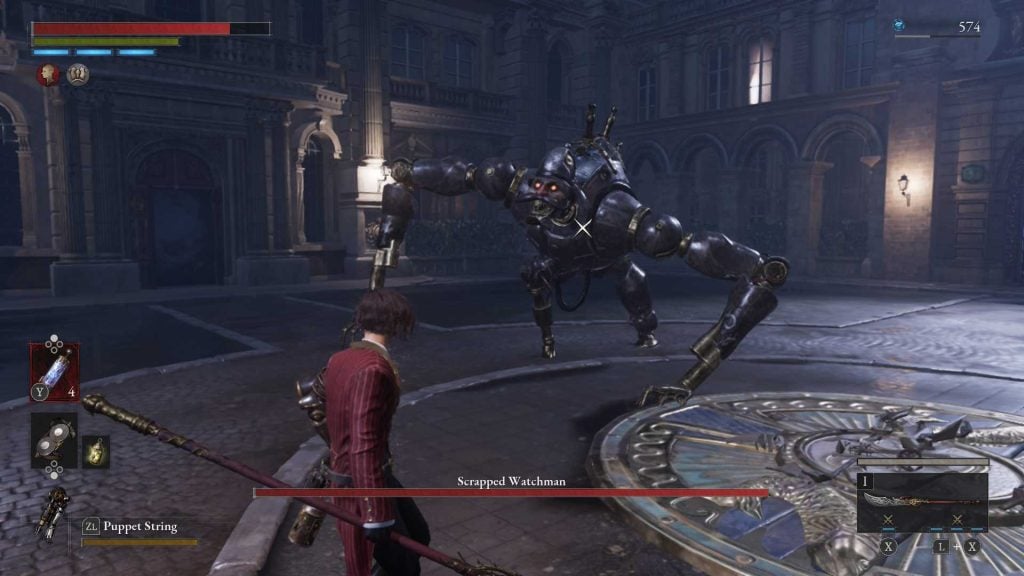
Granted, this is really only applicable to boss fights and some more elite enemies found midway through areas. Most enemies will be dead before you know it if you’re keeping up with your weapon upgrades and level ups. I’m fine with this approach, of mostly stompable mooks followed by unique and challenging bosses. There are a few wrinkles to the experience, though.
Maps are largely linear, without much in the way of greater exploration or side areas. Which is a shame, because that would mean more Krat to see. There’s not much reason to return to older areas outside of side quests that are usually quickly satisfied by a conversation near a Stargazer checkpoint. I do appreciate the brisk pace, but if the goal were that then why does nearly every boss after a certain point have a second health bar and phase? Yes it leads to some dramatic reveals and heart-pounding encounters, but it really does bog things down if you ever hit a wall.
Thankfully, any shortcoming of those elements is alleviated by just how engaging Lies of P is when it comes to weaponry. Every normal weapon you find or purchase has two pieces — a blade and a handle — and these can be mixed and matched freely. Put a spear onto a rapier handle, slap a bonesaw on a dagger, or bonk with the best of ‘em by blending a pipe wrench to a police baton.
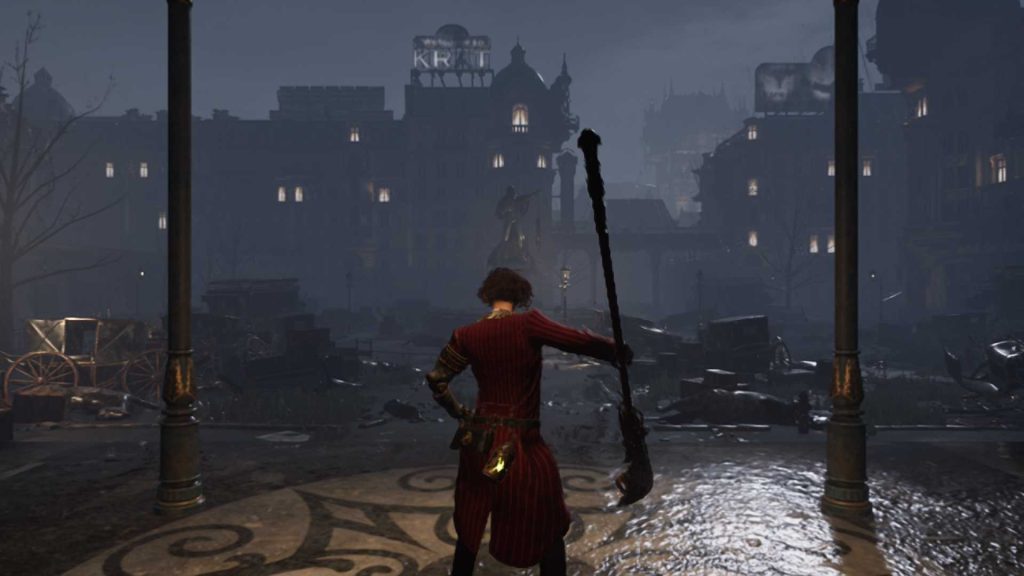
Each handle has a distinct moveset for you to explore, and both blades and handles have Fable Art special techniques that give another piece to the mix and match puzzle. It’s all very rewarding to experiment and find a combination that works with you. On top of those there are also special weapons available by exchanging boss materials, giving you more stylish equipment at the expense of those not letting you take them apart. If that’s the price I have to pay to wield a hard-earned scythe, so be it.
Earning those special weapons by killing characters inspired by Pinocchio is something I came around to genuinely appreciating. Full confession — I laughed at Lies of P back when it was first revealed. What was I going to do, poke someone’s eye out with the pretty boy lead’s nose? That perspective faded away pretty quickly after stepping into Krat and encountering its takes on the Blue Fairy, the Fox and the Cat, and Gepetto himself; among others. These characters are timeless and the way they’ve been adapted here is all unified by gorgeous art direction and world design.
The safe and comforting halls of Hotel Krat. The dreary puppet factory that is Venigni Works. A grand exhibition celebrating industrial progress and rampant futurism. It all comes together in this mishmash of Victorian and Belle Époque ideas informed by a timeless Italian story about the little wooden boy. Not every area is created equally (I could do without the barren, swampy junkyard) but the game as a whole is a sight to behold. I also have to give a special shout out to this particular song, which you’re able to find early on in the game and has been stuck in my head all over again ever since.
Trite as the comparison may be, Lies of P owes a great deal of its identity to the works of FromSoftware. More specifically, it’s the closest any game in the genre has gotten to replicating the highs of Bloodborne, a game exclusively released on the Playstation 4 in 2015 and desperately in need of a followup. The aesthetic comparisons between the two are evident, and some similar narrative notes are plucked, but there’s a similar back and forth inherent to the combat that’s fostered by Lies of P’s guard and stagger systems that makes the comparison apt.
The presence of a dedicated sidearm is another similarity, though where Bloodborne gives you a gun, Lies of P gives you a hand. For a piece of your arsenal present from the game’s beginning, I thought your left arm wasn’t nearly as fleshed out as the weapons or overarching combat systems.
There are a decent amount of them, including some exclusively found in Overture, but I found little reason to explore them when your main weapon ends up so effective. Some do give you ranged attacks and one lets you evoke a sword and shield approach to the game, and their variety is welcome. Cool as it is to fire off a grappling harpoon at unsuspecting puppets, the left arms always felt supplementary to weaponry rather than complimentary to me.
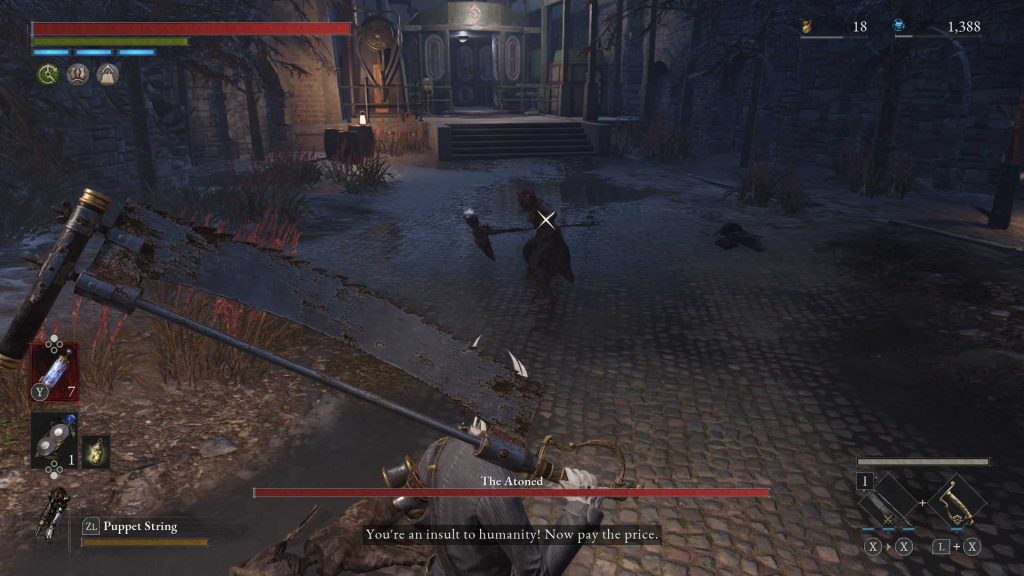
A few of the game’s other ideas fall into this territory as well. There’s a superfluous series of Wishstone items and a time-based Gold Coin Fruit currency that are introduced about a third of the way in, but I found them fairly uninteresting despite the potential benefits. Contrast that with things like the P-Organ (where you unlock passive abilities using certain materials) or grindstones you can use to restore weapon durability and imbue elemental damage or other statuses, which have very tangible and apparent benefits to exploring.
I also felt the story in Lies of P loses steam specifically when it enters the kind of horror vibes Bloodborne evoked. Taking influence from Pinocchio lays a fine foundation for lore and referential reverence, and the puppet frenzy that fuels the majority of the game’s first half gives the game ample opportunities for boss fights against threats both mechanical and human. Once things became more monstrous and alchemically tinged it started to lose me, though thankfully the gameplay and character progression kept me going through those portions.
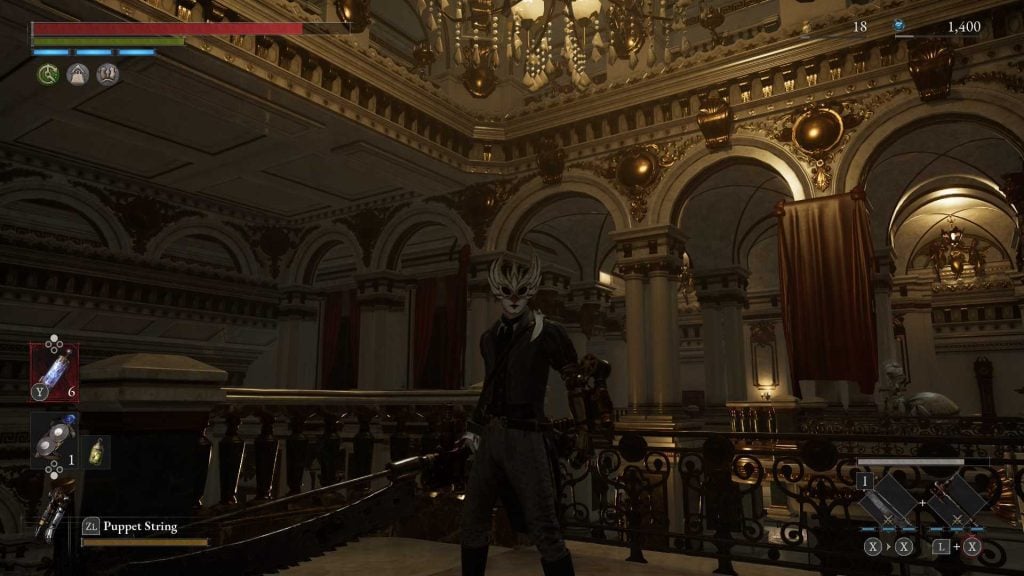
It’s worth taking a moment to say that even with that opinion, I enjoyed the finale of the base game and especially the self contained story in Overture. That sees heightened production values, some distinct locales (a city zoo is a particularly inspired choice for a game like this) and a more condensed dose of what makes Lies of P enjoyable. It does take several hours before you can access the DLC-exclusive content, though, with no way of transferring a save file from another platform. That’s really only going to be a detriment to anyone who may’ve played the original and not Overture, but is worth noting.
The highs within Lies of P are fantastic, and anyone drawn in by its inspirations (both creative and gameplay) should give it a chance. It does have some rough edges and a handful of ideas that don’t really go anywhere, and outside of its weapon system it doesn’t really try anything too revolutionary in the space. That said, I’m still impressed by this great addition to the Switch 2’s library, and hope that whatever comes next (a followup, though perhaps not a traditional sequel, is confirmed) makes it to Nintendo fans as well.
Leave a Comment
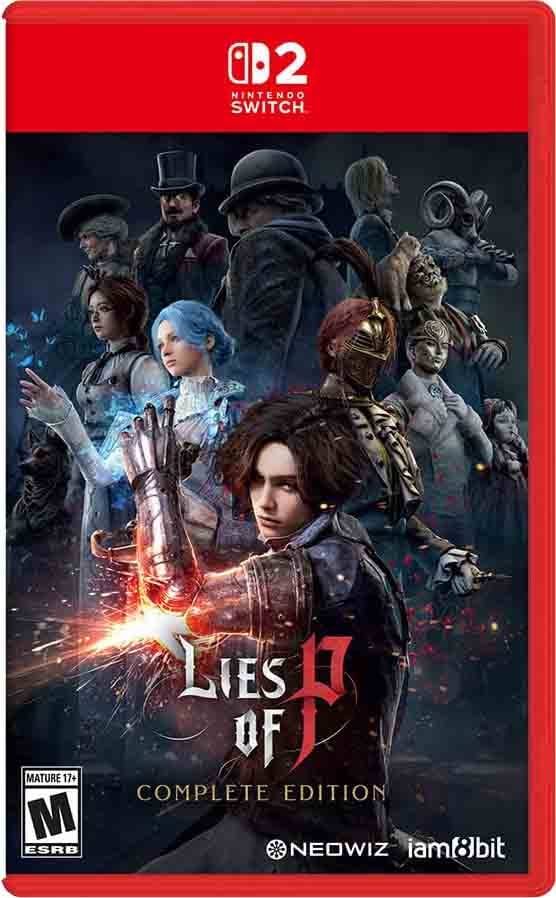
System: Nintendo Switch 2
Release Date: August 5, 2026
Categories: Shooter, Action, Role-playing
Publisher: NEOWIZ
Developer: Round8 Studio
Written by Ricky Berg
When he isn’t writing for Nintendo Wire, Ricky’s anticipating the next Kirby, Fire Emblem, or if the stars ever align, Mother 3 to be released. Till then he’ll have the warm comfort of Super Smash Bros. to keep him going.
