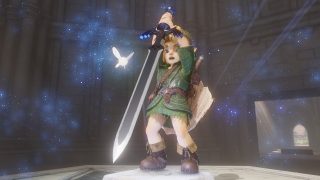


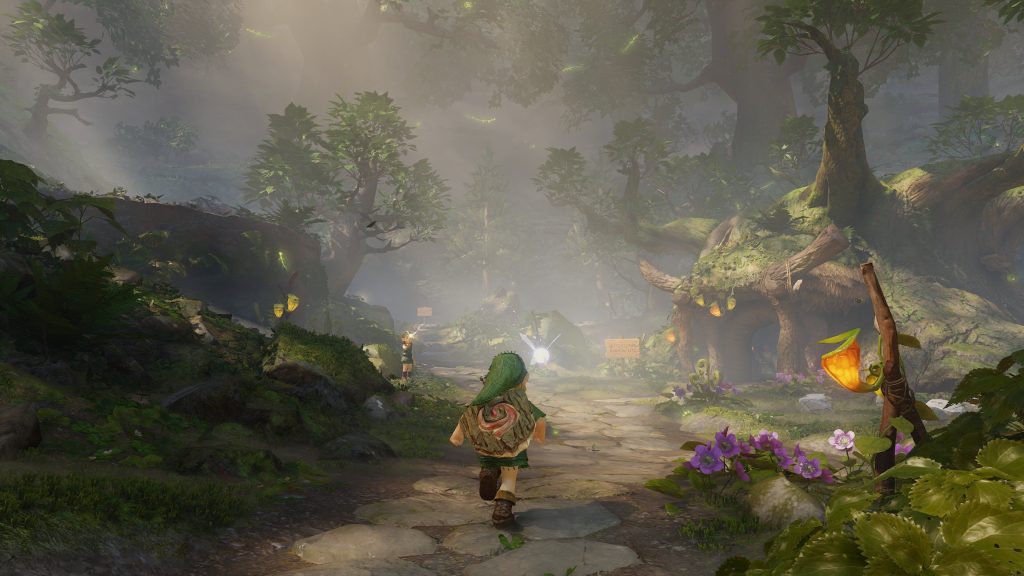
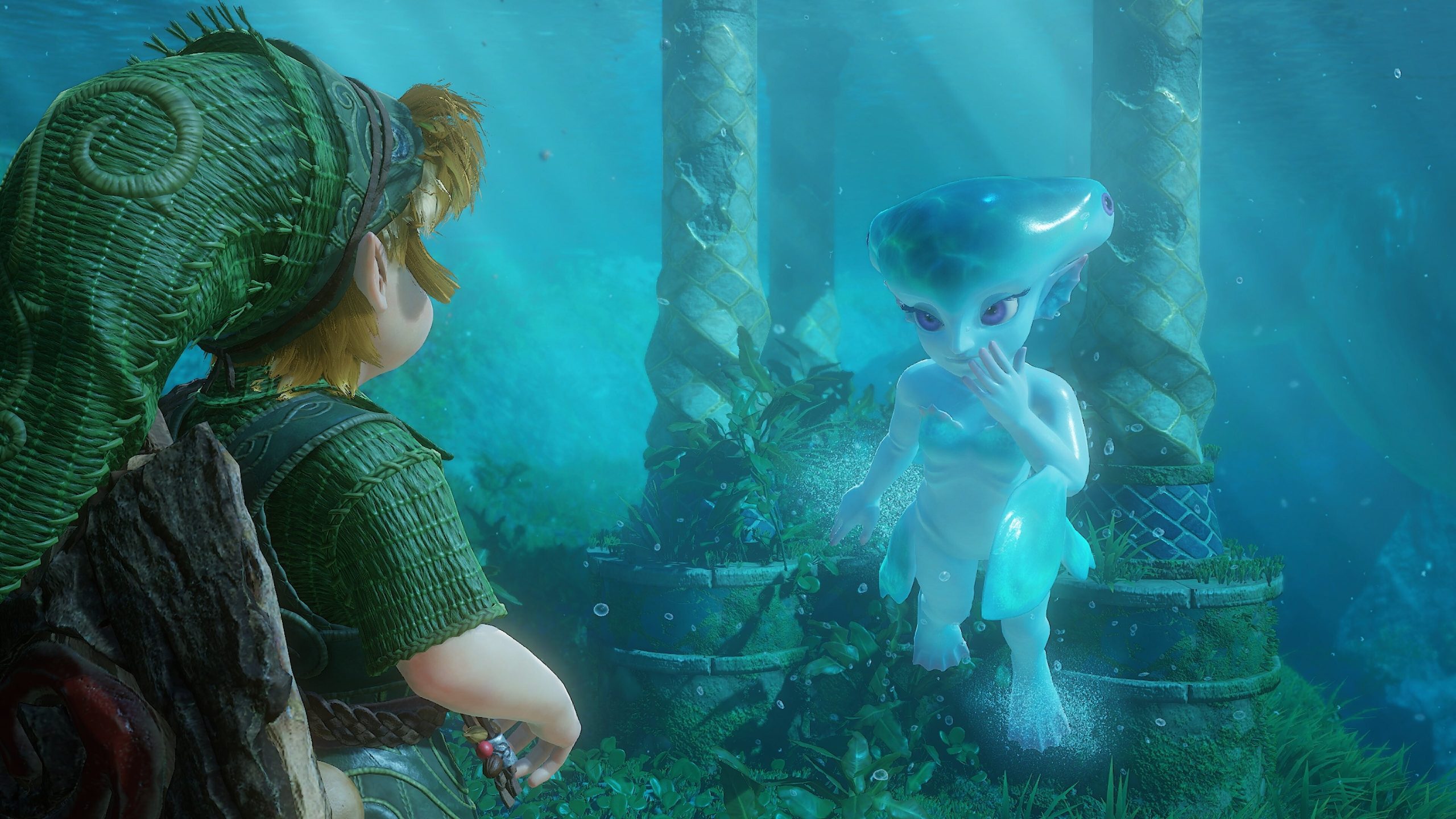
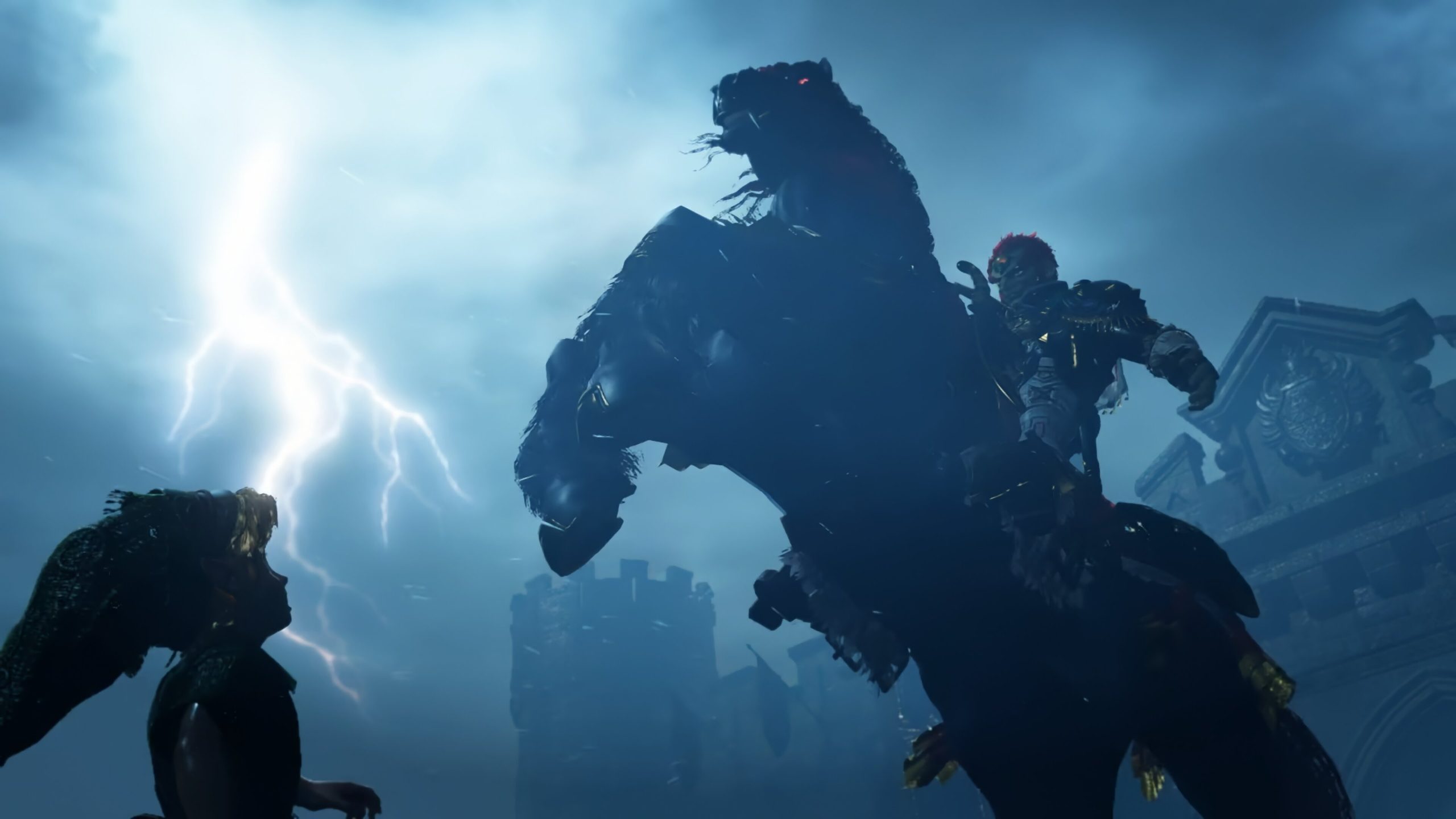
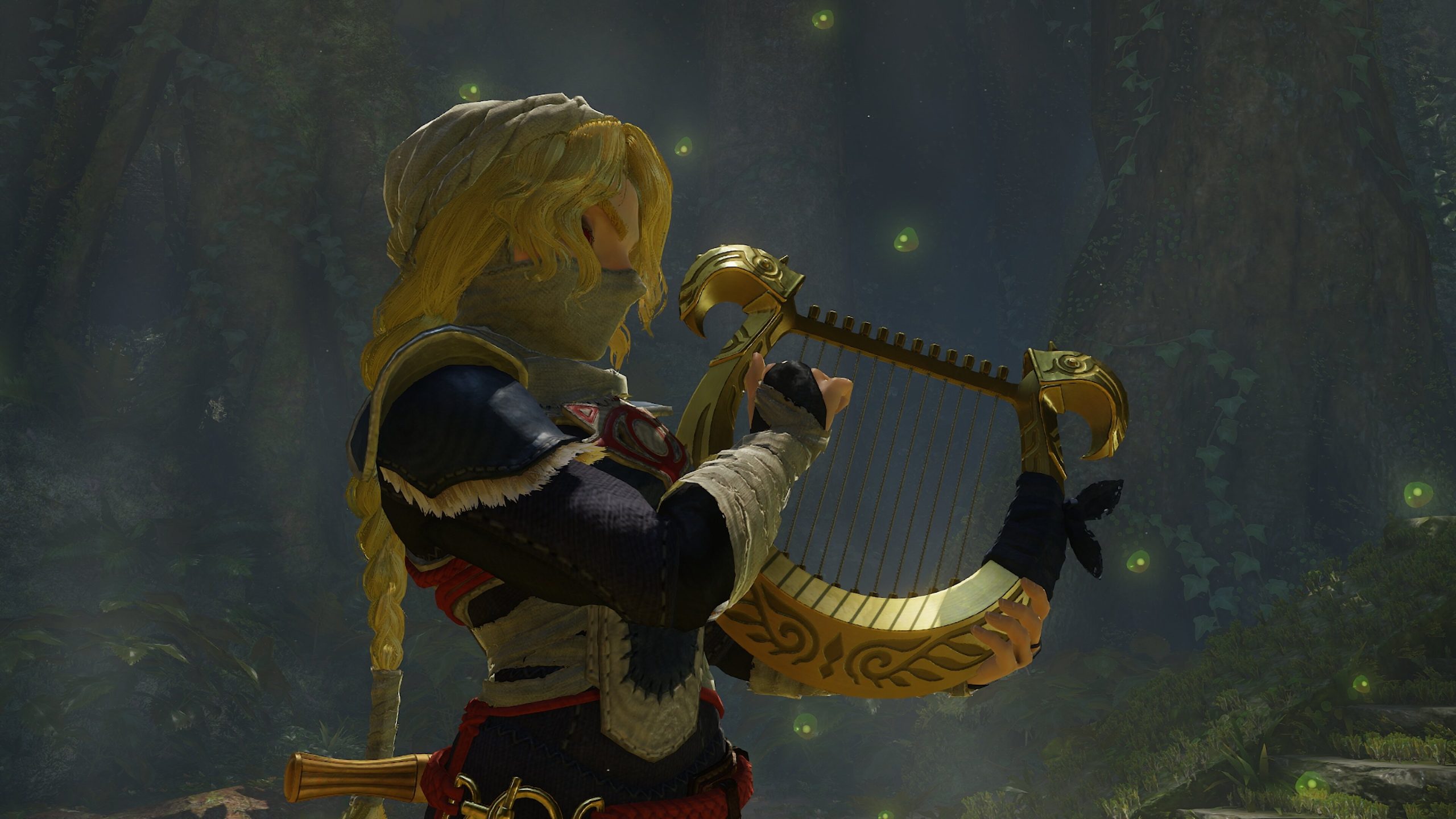
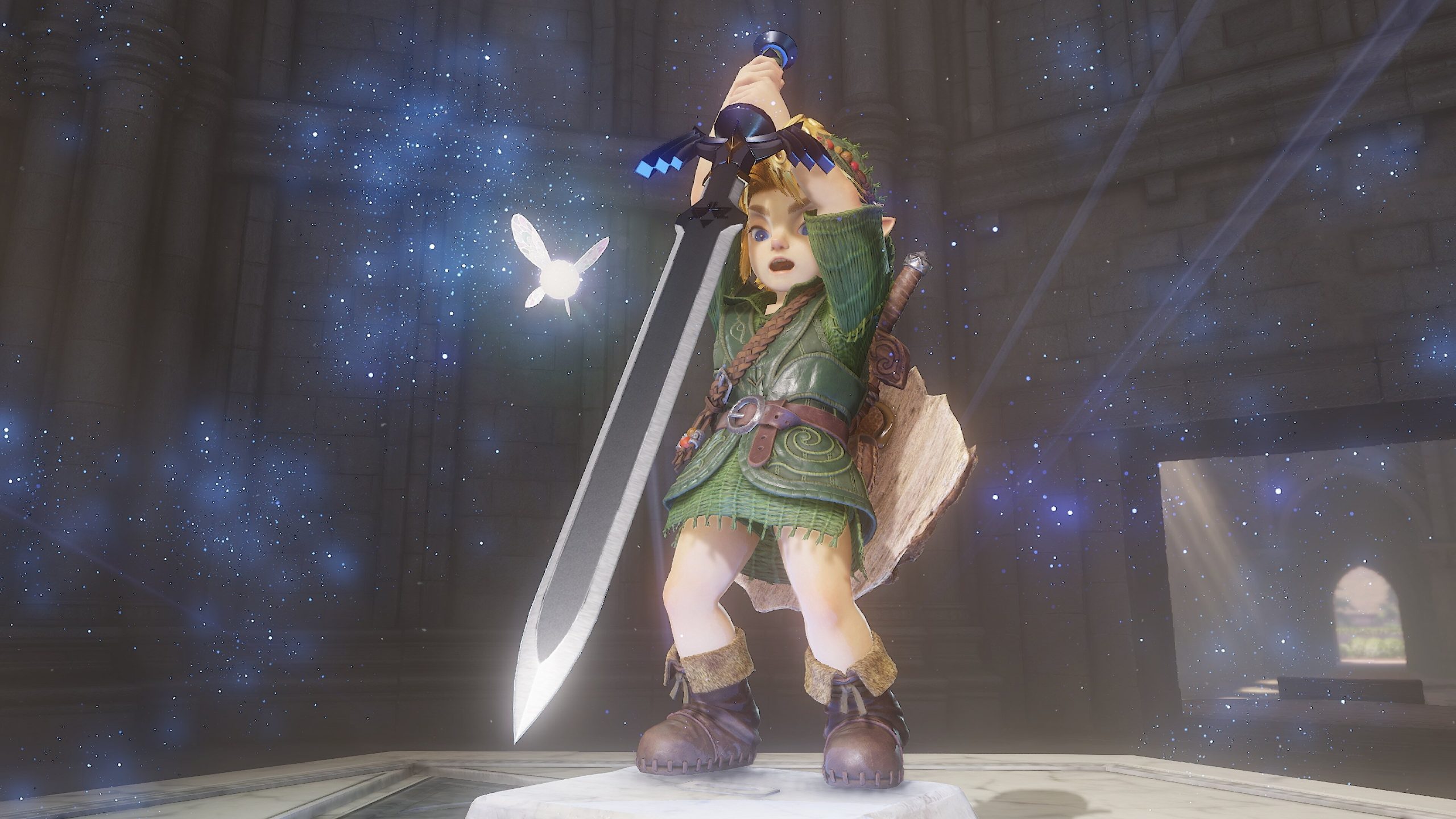
One of the best aspects of Nintendo’s Direct presentations is that the company tends to put gameplay front and center. During today’s Zelda 40th Anniversary Direct, we not only got a release date for Zelda: Ocarina of Time’s upcoming remake, but we saw a rather extensive bit of new footage from the game. In it, series producer Eiji Aonuma walks through Kokiri Forest early on in the game before trekking out to Hyrule Field, explaining some of the differences this remake introduces with nearly 30 years of technological advancements.
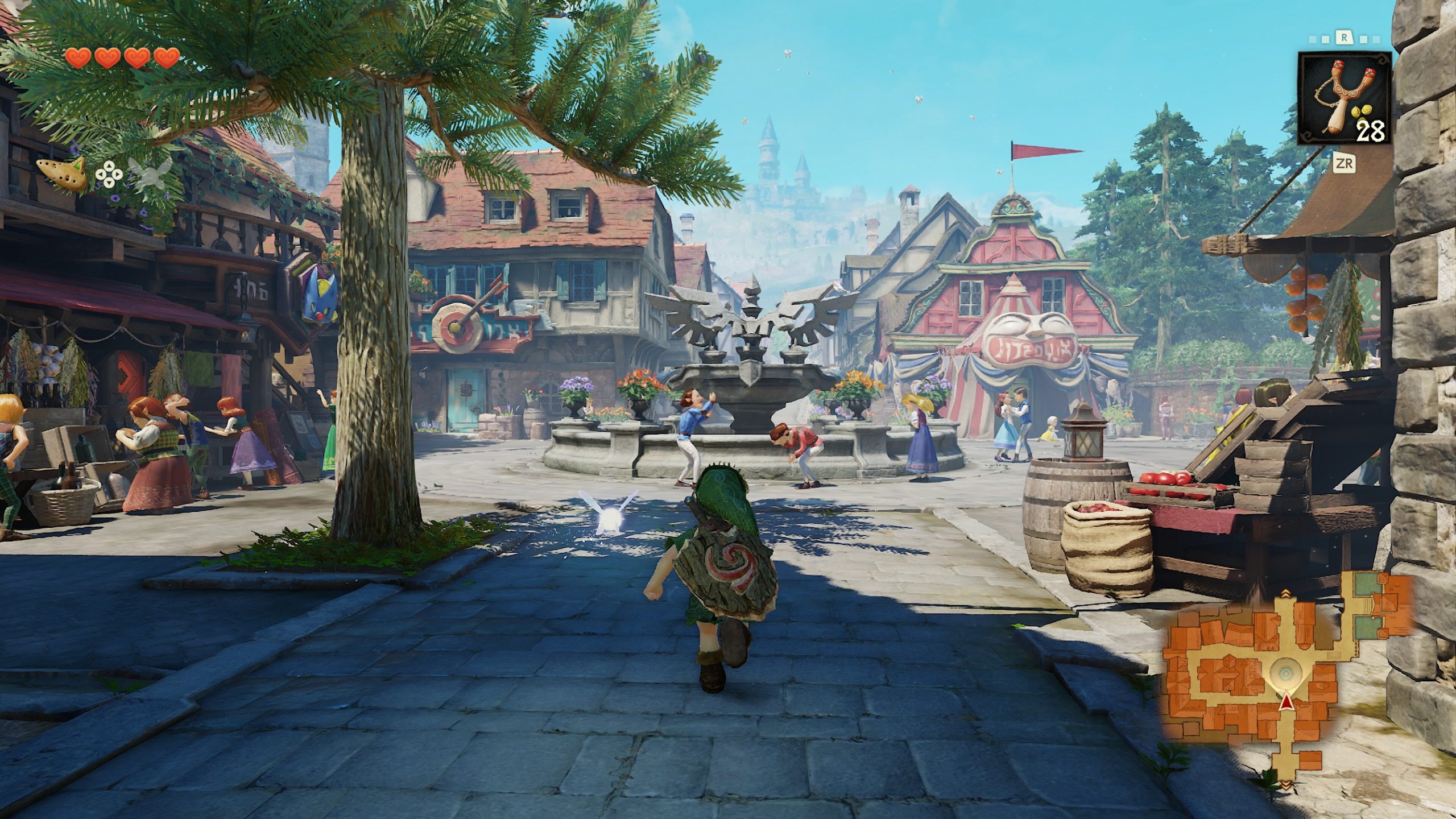
The biggest changes I spotted is that combat doesn’t feature the same slow-motion impact effect as the original game. Link can slash at foes quicker, making things feel a bit snappier. While loading screens still separate major areas, once inside an area, there aren’t any loading screens for entering stores or various shops. Link can still roll, but roll spamming to move faster seems to be eliminated as holding the roll button will cause Link to sprint. Link can also freely jump, similar to how it works in Breath of the Wild. The footage shows the starting area in Kokiri Forest where Link would automatically jump in the N64 version. Now, players need to be cautious of walking off ledges.
Another addition that I like is what Nintendo is calling “Threads of Time.” This is, essentially, a quest log for players to keep track of where they are in the main quest. The Zelda games never featured anything like that until Breath of the Wild (unless we count the Bombers’ notebook in Majora’s Mask), so it seems starting side quests and trying to remember what you were doing won’t be as difficult. The Threads of Time also have a tapestry that fills in as you complete the main story, giving you a visual representation of your progress through the game.
This also plays into the Switch mobile app, which features a new section of “Zelda Notes” specifically for Ocarina of Time. As with how the app functions for the Switch 2 Editions of Breath of the Wild and Tears of the Kingdom, players can utilize Zelda Notes while playing through the remake to keep track of their progress. There will be counters for enemies defeated, hours played, routes taken, and major achievements made throughout the story. There is even a fun little minigame of looking at pictures of in-game landmarks and locating them within different locales. This unlocks extra ocarina music you can use with the digital ocarina.
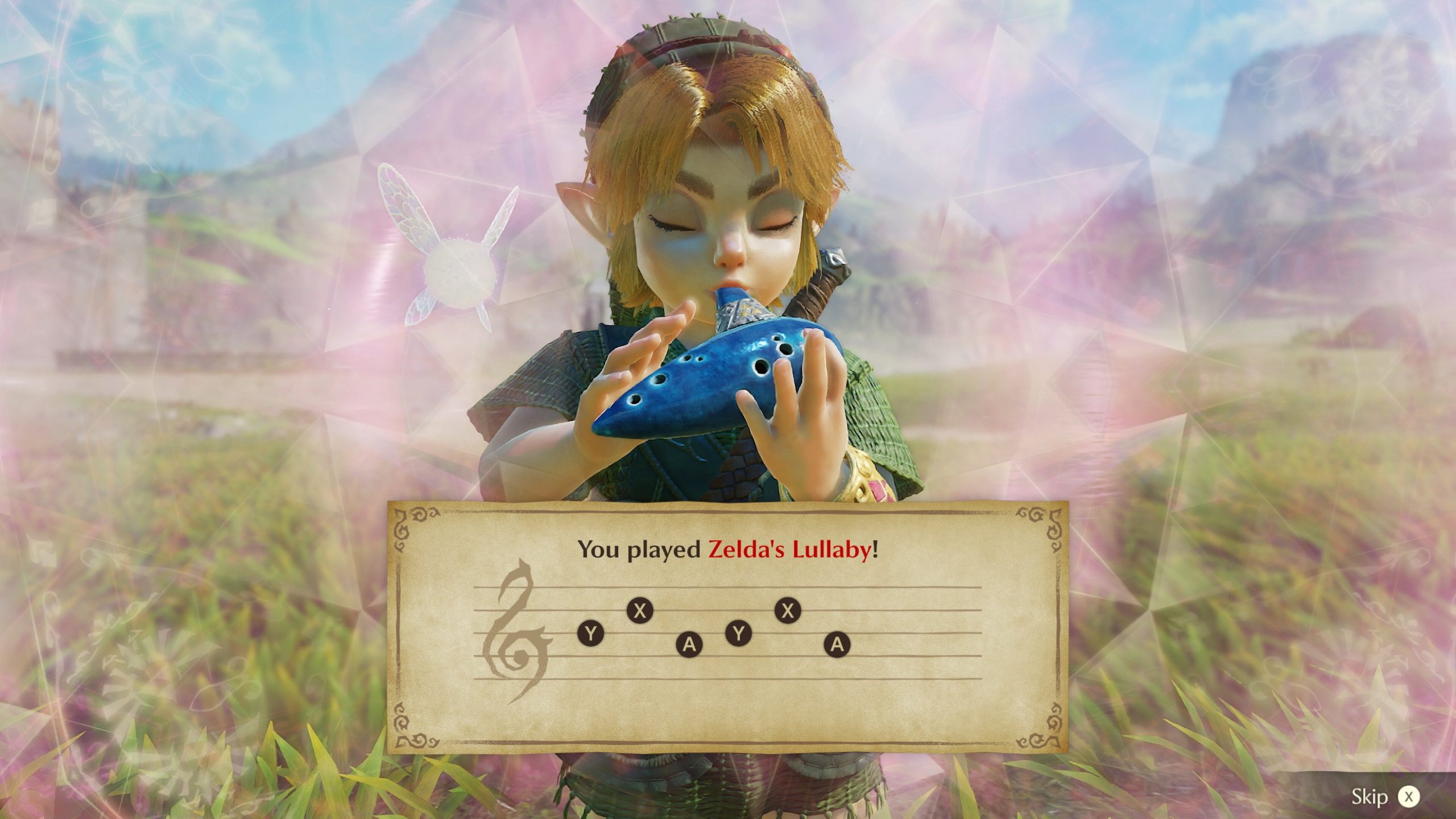
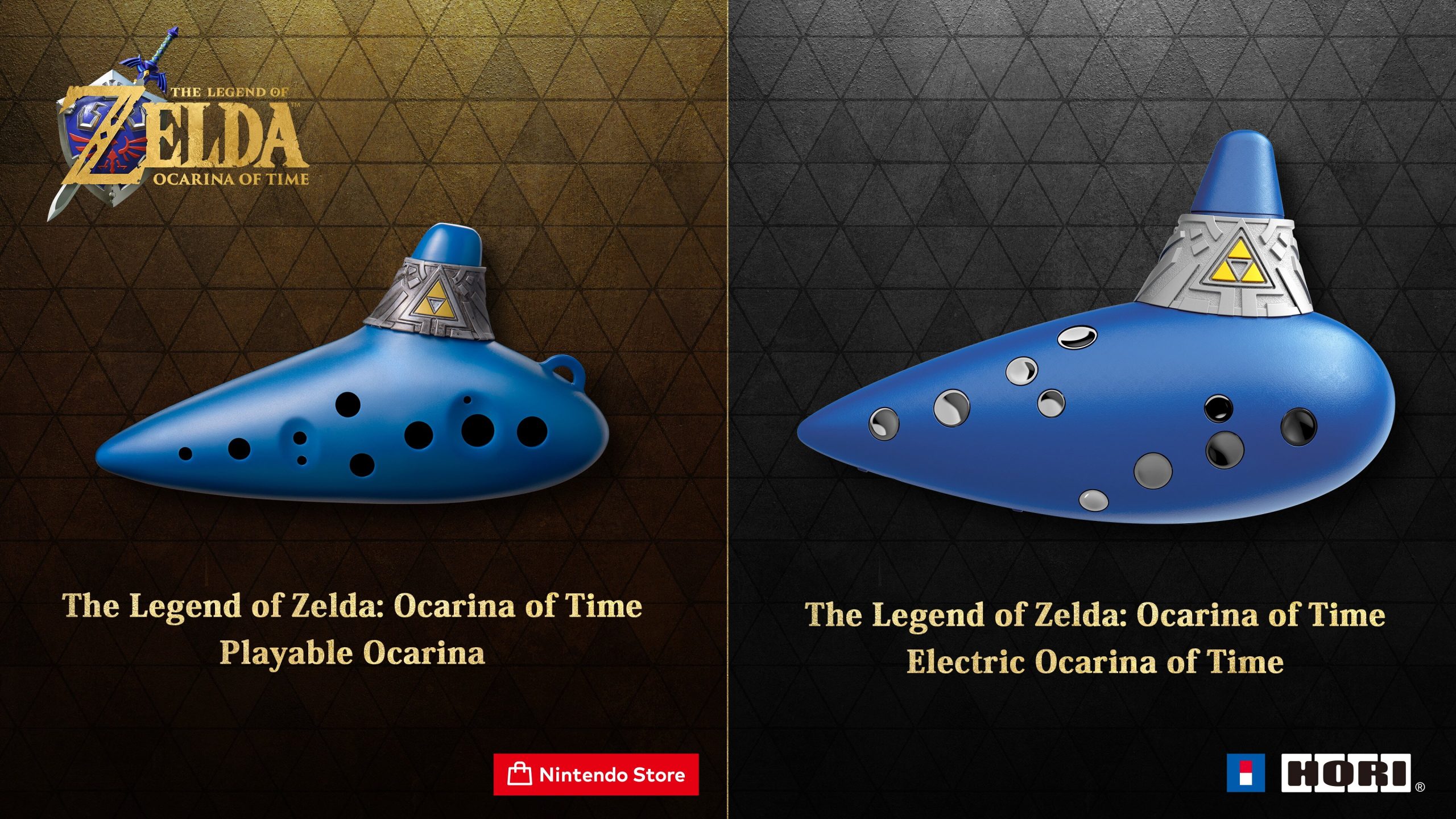
As you would expect with a modern Nintendo console, Ocarina of Time will feature optional motion controls for certain in-game actions, though seemingly limited to gyroscope aiming. A rather neat addition is the ability to play the in-game Ocarina with the Switch 2’s microphone, allowing you to hum out tunes or use the (sold separately) Ocarina of Time model. Even the 3DS remake didn’t feature that, which is strange in retrospect.
While this gameplay overview trailer didn’t give us every detail about The Legend of Zelda: Ocarina of Time, the game releases in a little under two months. Nintendo is unlikely to reveal anything else, and old fans like me already know the game front to back, so I don’t know what else I’d even need to know. It’s nice to see the game is running solidly, though.
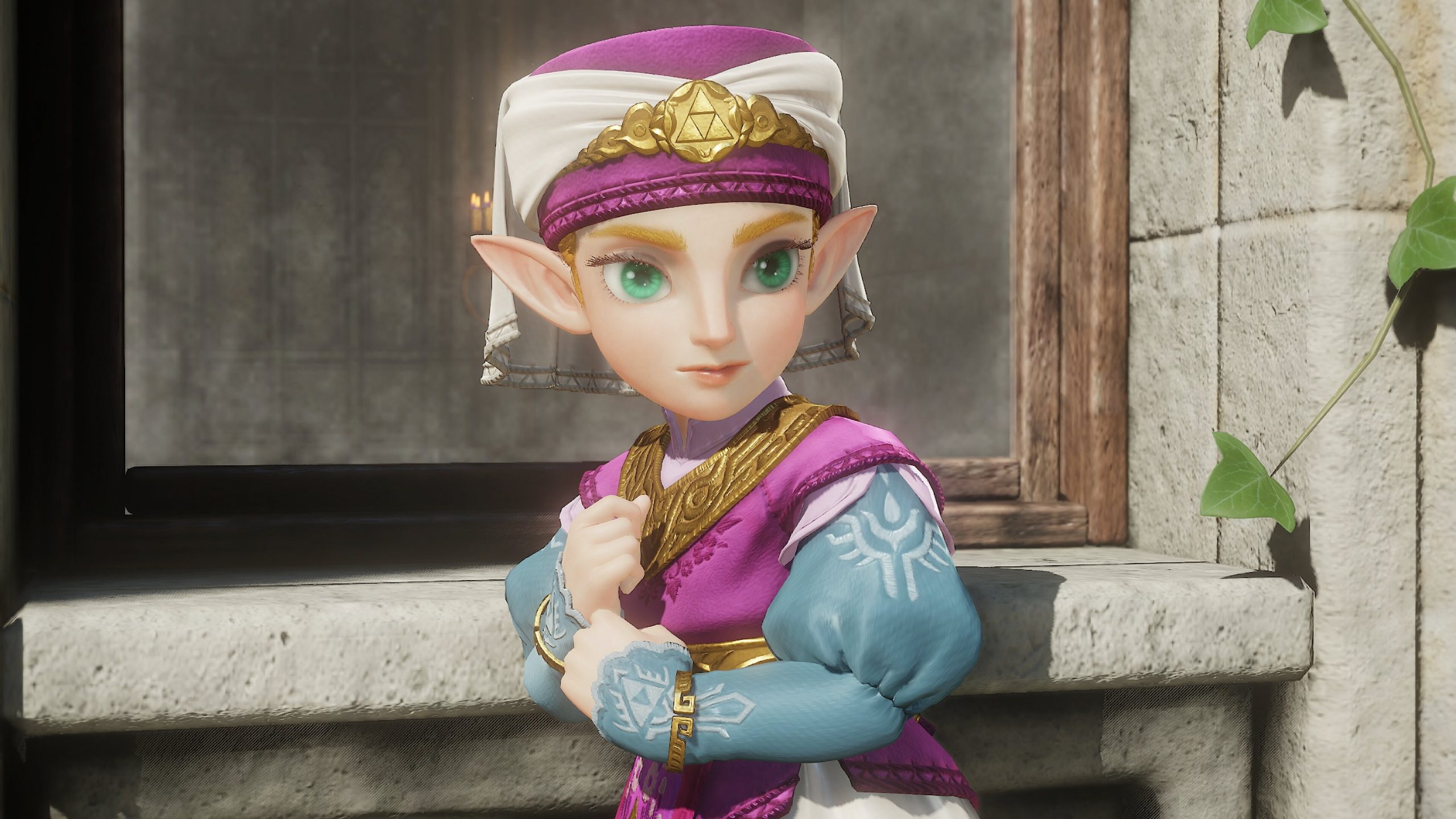
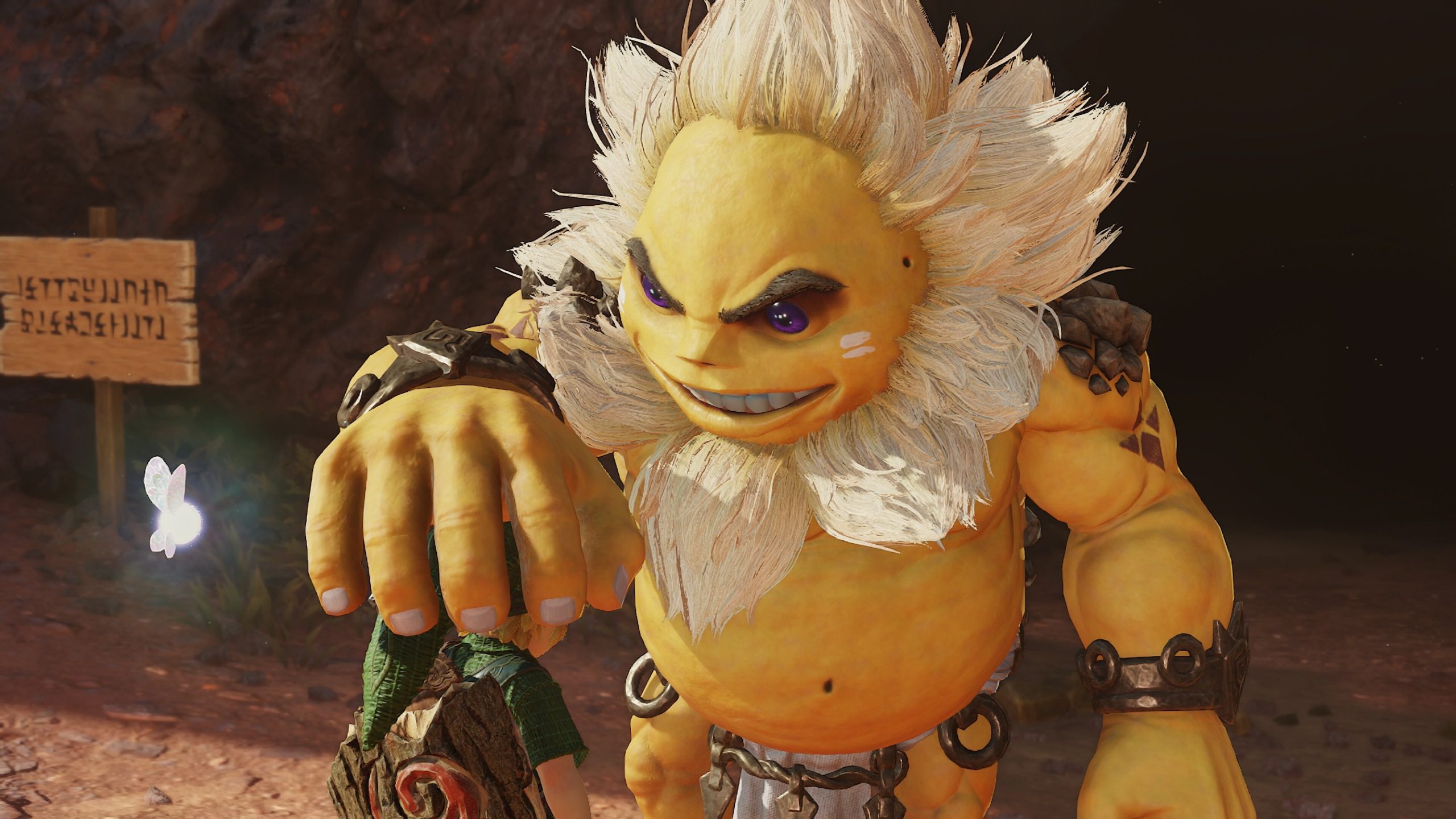
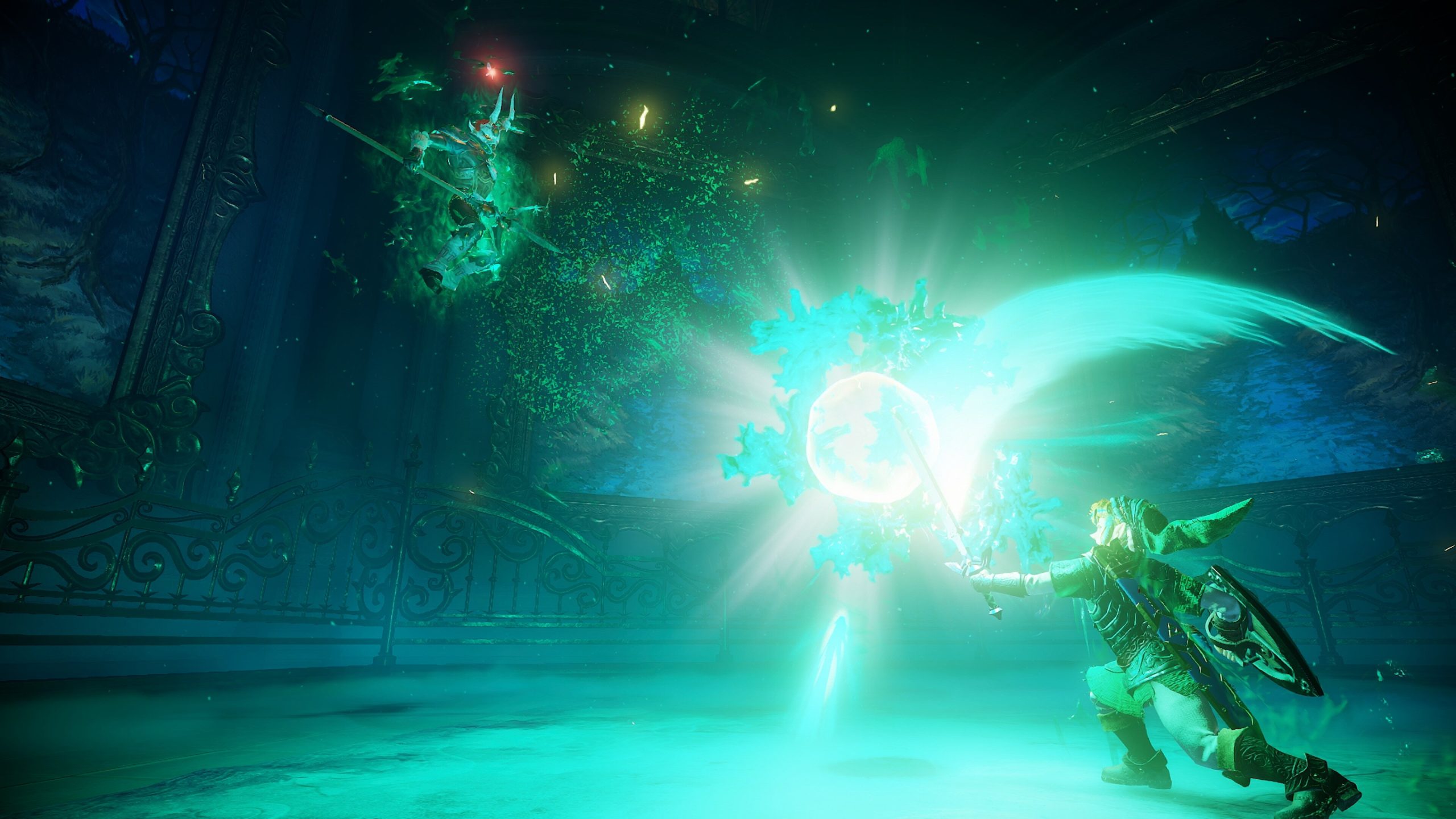
Legend of Zelda: Ocarina of Time on Switch 2 gallery
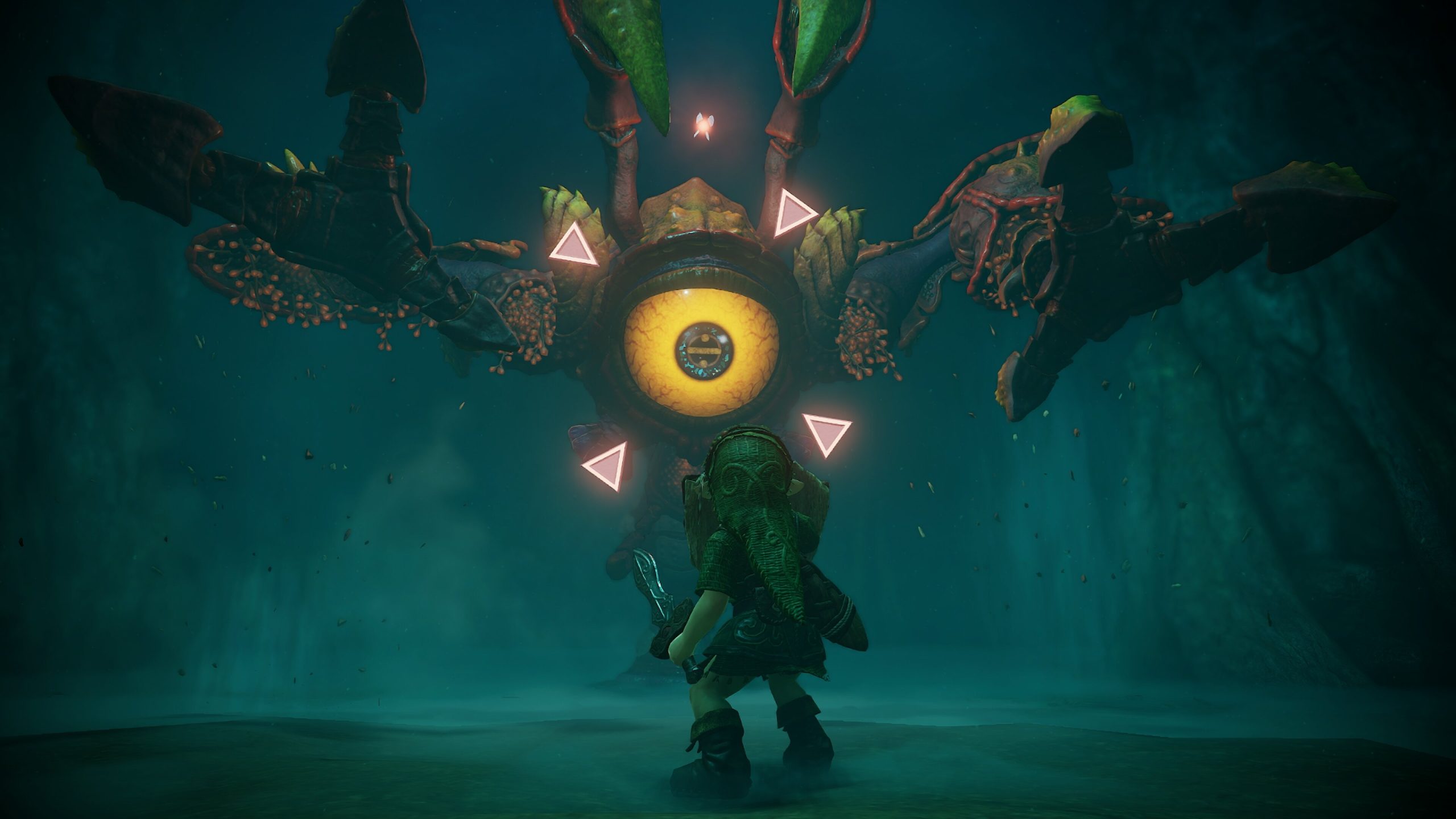
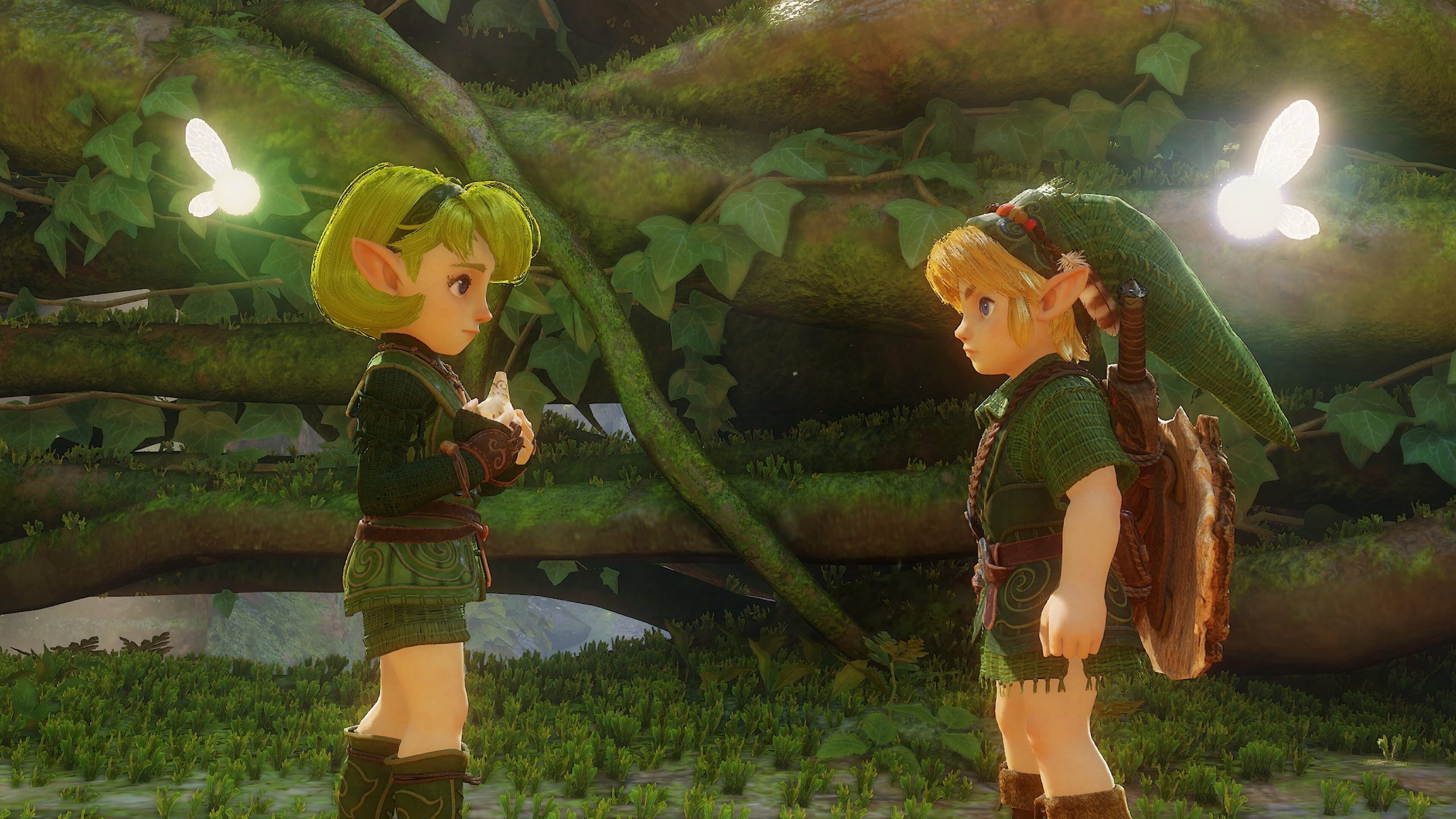
Check out more Zelda content
The Legend of Zelda 40th Anniversary Edition Switch 2 console and Pro Controller coming in October
The Legend of Zelda: Ocarina of Time remake hits Switch 2 on November 5, 2026
Rumor: Monolith Soft might be developing The Legend of Zelda: Ocarina of Time’s remake
Leave a Comment

Written by Peter Glagowski
Peter has been a freelance gaming and film critic for over seven years. His passion for Nintendo is only matched by the size of his collection.
