

As reported by Game File this morning, Nintendo has stated that it does not believe it has a legal obligation to pass on tariff refunds to its customers who purchased its products at higher prices.
For those not in the know, the US Supreme Court ruled this past February that the sweeping tariffs imposed by President Donald Trump. Nintendo, along with a bunch of other companies, then sued the US Government for refunds concerning the increased price it had to pay for acquiring parts to manufacture goods. Shortly after, some people in Washington filed a class-action lawsuit against Nintendo asserting it should be required to pass that refund onto buyers who purchased items at increased prices.
That brings us to the current story, where Nintendo is arguing it shouldn’t be required to pass refunds on to its customers. “Plaintiffs are not entitled to a rebate simply because of intervening legal developments related to tariffs,” the company said in a new legal filing. “The common thread among Plaintiffs’ claims is that it is somehow ‘unfair; that Nintendo has not retroactively adjusted its prices for completed sales in response to the outcome of the tariff litigation. But that is not how commercial transactions work.”
Not to play defense for a corporation, but that is correct. While it would be easy to call Nintendo greedy here, all transactions are made by individuals assessing personal value. Unless Nintendo knowingly bloated prices in some short selling scheme, it has no legal or moral obligation to pay back customers if Switch 2 prices decrease. The filing even says as much, reading, “Those who bought Nintendo’s products received exactly what they bargained and paid for – a console, game and/or accessory at a price to which both parties agreed.”
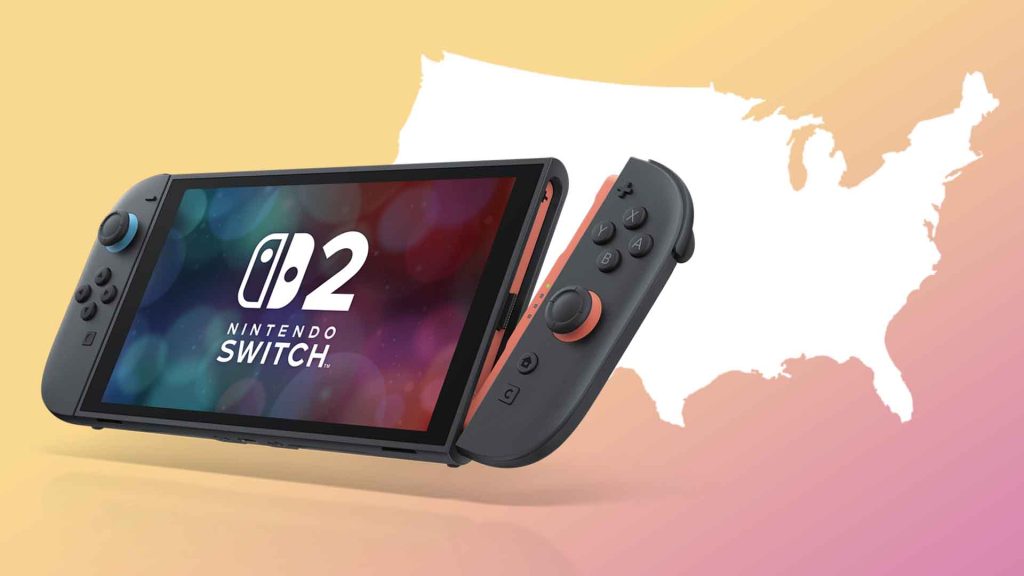
The filing continues to note that offering a refund wouldn’t really be feasible considering how many different factors are involved. Nintendo had to pay X amount because of tariffs, but X then gets broken down even further based on the products being made. A Joy-Con 2 doesn’t cost as much to manufacture as a Switch 2, yet the tariff cost was the same all around. What would the necessary rebate be, then? “If a consumer did not want to pay the advertised price, they were free to abstain from purchasing the product or seek out competing products,” the filing states, which is true.
At the end of the day, the best way to make a case against Nintendo is to not buy its products if you’re unhappy with the price. Simple as that.
Check out more Nintendo content
Nintendo explains why Splatoon Raiders is a spin-off rather than Splatoon 4
Even Nintendo of America employees were surprised by Zelda: Tears of the Kingdom’s announcement
Nintendo of Europe posts articles showing how to swap Joy-Con batteries in new controller designs
Leave a Comment

Written by Peter Glagowski
Peter has been a freelance gaming and film critic for over seven years. His passion for Nintendo is only matched by the size of his collection.
