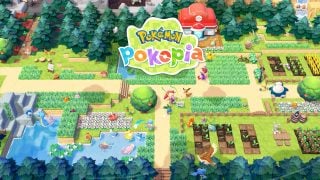
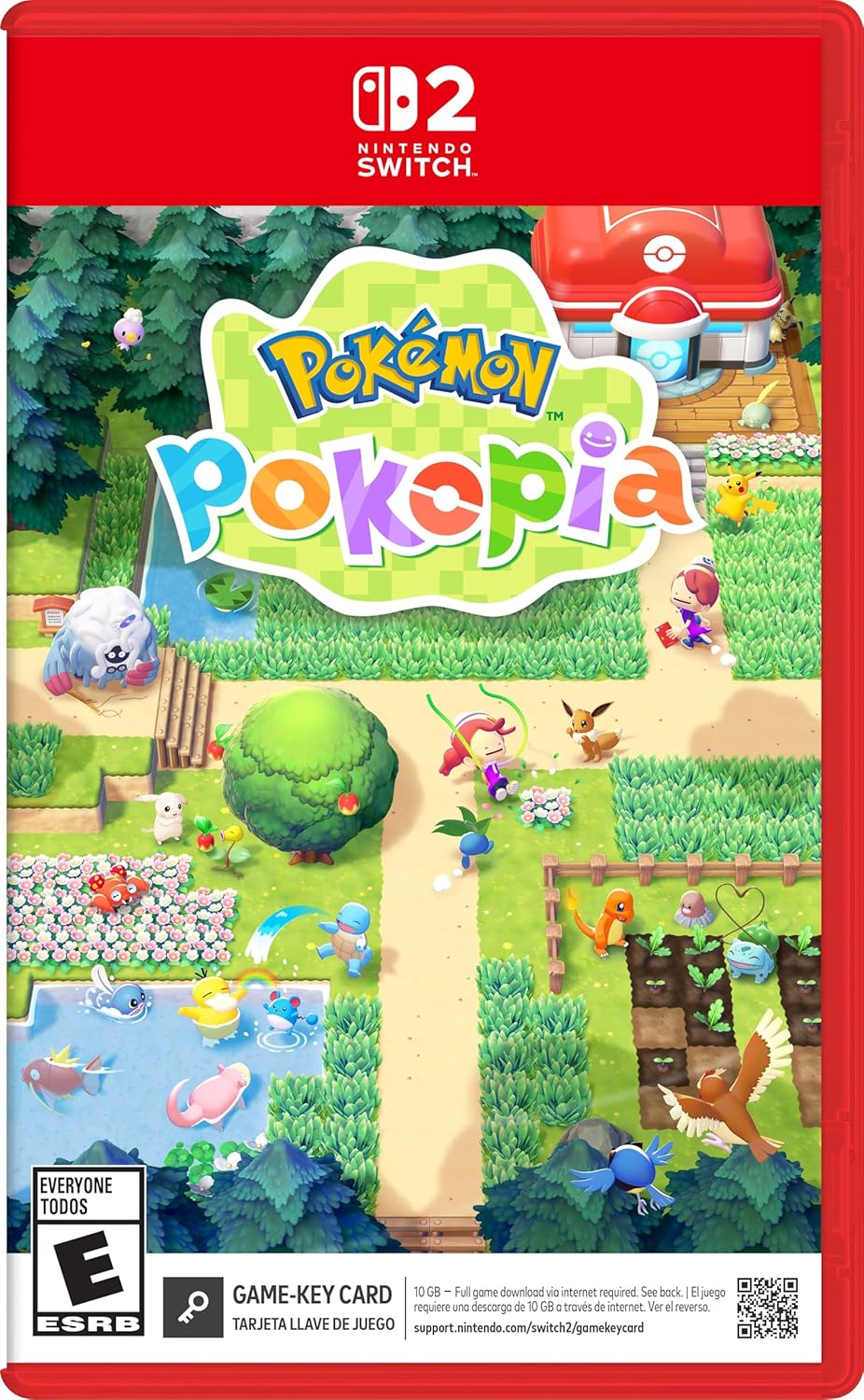
I’ve heard Pokopia described a lot of ways since its reveal. Pokémon’s answer to Animal Crossing, for one. A baffling use of the maligned Game Key Card for another. Yet after a month of near-daily play with the game, I think it might be this post-launch praise that feels most resonate:
One of the best Pokémon spinoffs ever made.
It’s all too fitting that that would come courtesy of Koei Tecmo, who last dabbled with the franchise for the Nintendo DS strategy RPG Pokémon Conquest. Beyond the license and developer though, about the only thing the two have in common is their grid-based greatness.
I made a conscious effort to take my sweet time with this one and avoid as many guides and spoilers as possible. I wanted Pokopia to be my daily unwind, my much needed coffee break, and make it as pure an experience as possible. It filled that niche splendidly, if the amount of time I spent thinking of it over the last 30 days is any indication, and even when I’ve managed to roll credits after 35 hours I feel like I’ve only just scratched the surface.
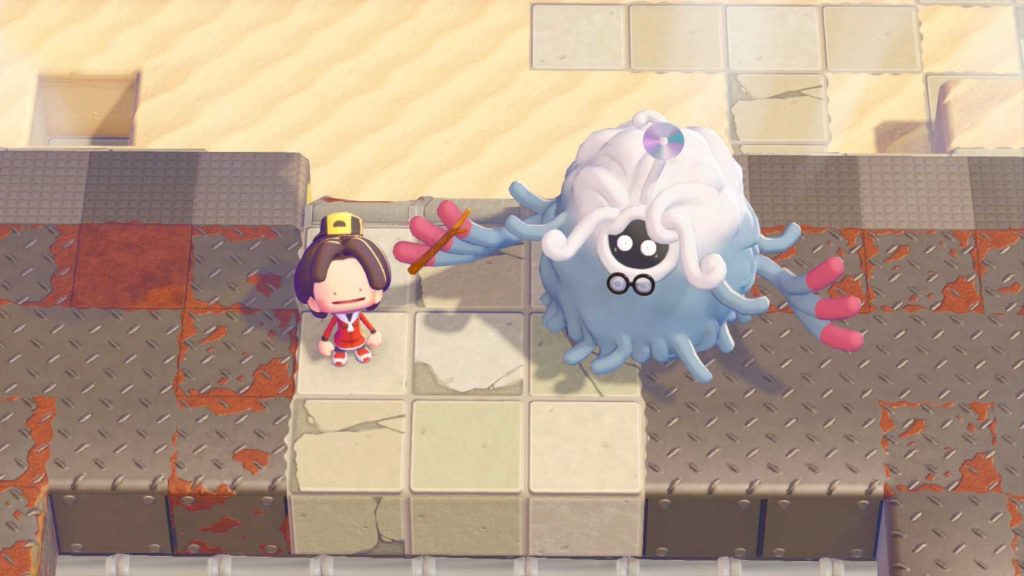
Despite that deliberate slow burn, one of my favorite things about Pokopia is just how quickly it got going. Within about 30 minutes of starting up the game and making a few quick customization choices for my Ditto avatar, I was up to speed with a highly intelligent Tangrowth and had the freedom to sculpt and cultivate to my liking the seemingly post-apocalyptic Kanto — more on that later.
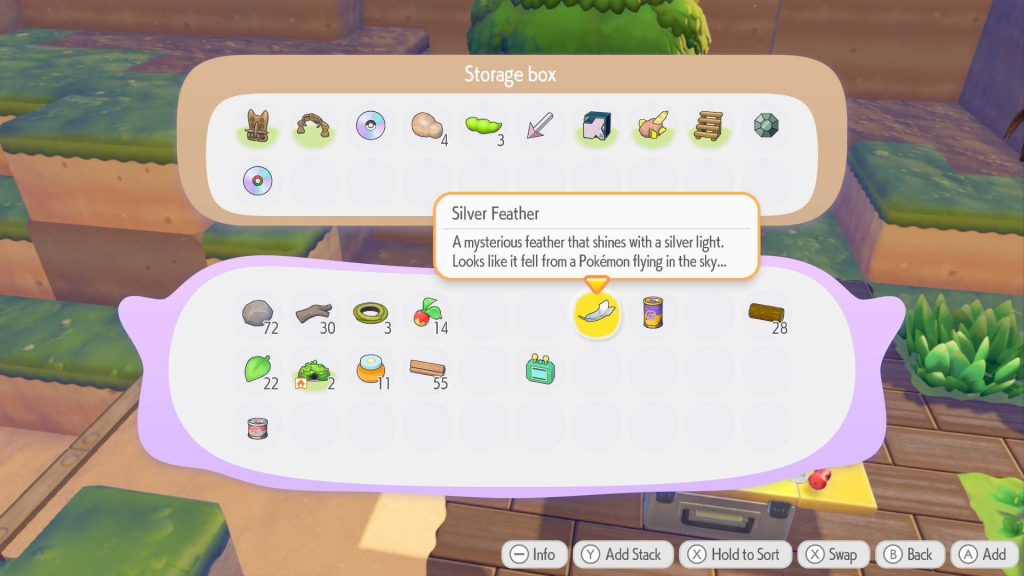
Frankly, it was almost shocking how quickly Pokopia took its initial training wheels off. Ever since it was announced the game had a real-time clock, I was expecting a drawn out tutorial period and a drip feed of skills and content. Thankfully, progress is largely on the player’s terms and building is seldom a chore or frustration. There is a slight learning curve to managing its blocks, but it’s an awfully forgiving and user-friendly system. About the only drag is that storage beyond your backpack isn’t all that improvable. Shared storage boxes would be such a game changer here.
Regarding progress, Pokopia does guide you along with region-based storylines and a few mandatory encounters, and incentivizes you to devote time to them so you can unlock more ways to explore and interact with the world. But if you feel so inclined, you can put all those tasks off and start making habitats and meeting Pokémon.
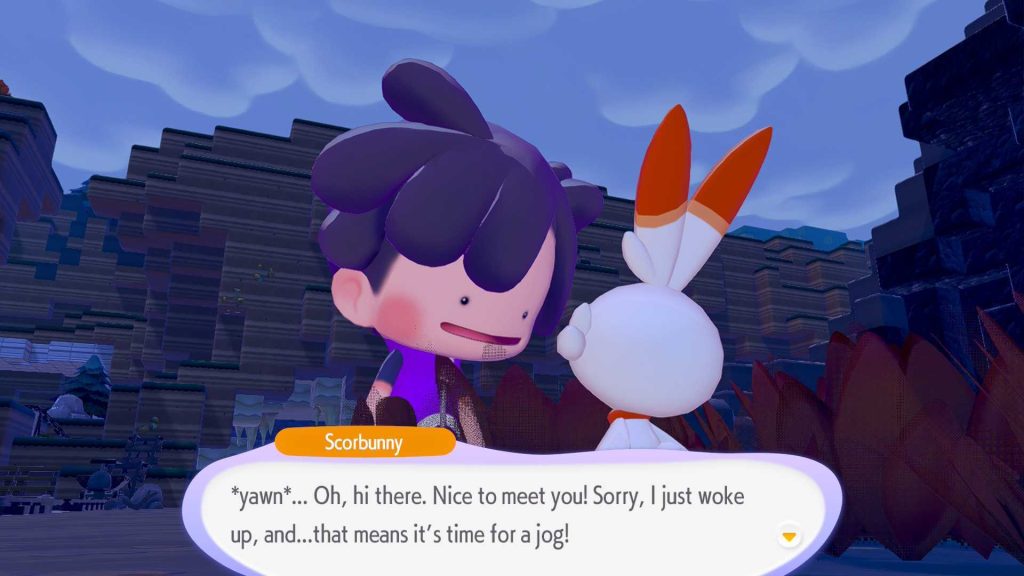
See, while a lot of the building elements are where the game finds its depth, it’s its application of the Pokédex where it finds its charm, and that makes all the difference. As you create habitats, gather items, and access areas you’ll meet more and more species of Pokémon. Doing so grants you new ways to interact with the world, whether that’s techniques you have access to all the time or benefits your new friends bring to fledgling (Fletchling?) communities.
The greatest joys in Pokopia come from the Pokémon themselves. With hundreds of species, all with dialogue and preferences to discover, you’re guaranteed to not just find some of your favorites but get to know them in a new way. Bulbasaur’s memetic call for moisture is just the tip of the iceberg here. Did you know that several Pokémon are inclined to say “yo” in every other sentence? Or that Dragonite is a colossal sleepy head? At least in this game those personality quirks stand out and the entire experience is better for it.
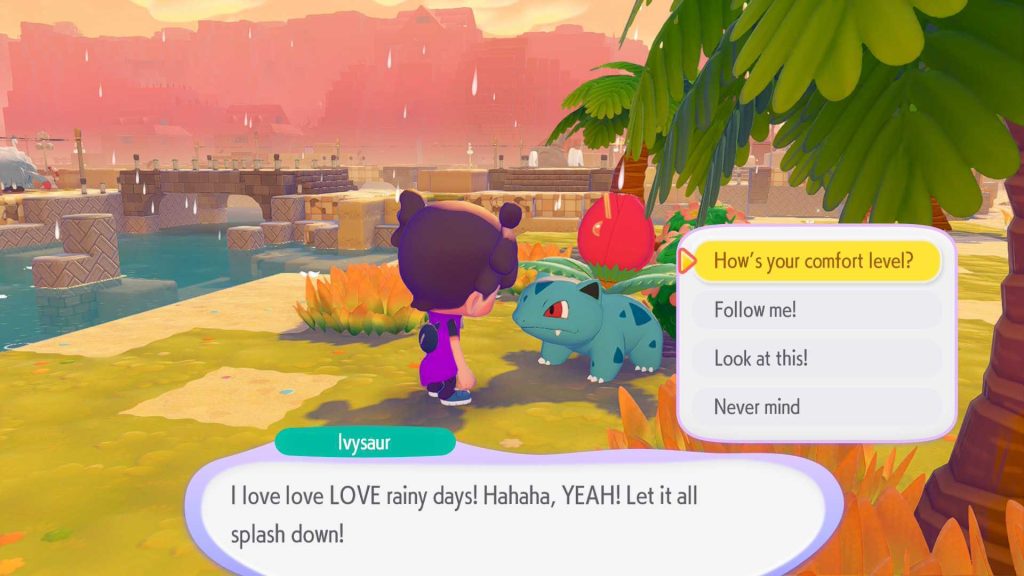
The game’s recruitment system can occasionally lead to a bit of trial, error, and patience when it comes to how you can coax a given Pocket Monster to your game but it’s also pretty generous with hints and happenstance. That can be traces of Pokémon you find in the wild, and intriguing pieces of furniture placed conveniently near others. It all leads to a rewarding sense of discovery, so long as you don’t mind a little random chance or needing to track down specific, rarer furniture.
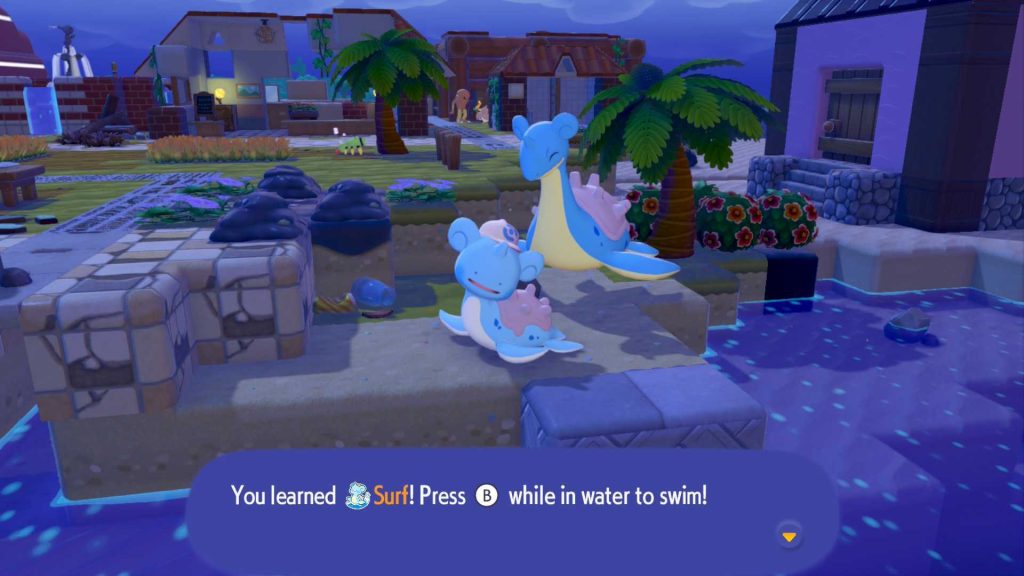
No Pokémon makes as splendid an impression with this game than Ditto, taking a well deserved starring role. While the iconic dopey expression is to be expected, the way every transformation has a little globby detail in its design is adorable. The transformations, like flailing at blocks with Hitmonchan gloves or Surfing along as a Lapras, never get old. If you didn’t already love Ditto, this game will do the trick within minutes and keep it that way.
The game’s supporting cast does a good job infusing personality alongside the smiling, silent slime. Professor Tangrowth, your stalwart companion from start to finish, makes for a fun advisor that manages to follow you from region to region without fail. Every one of Pokopia’s sectioned off regions has a notable NPC or two, like the pale and pleasant Peakychu or the stereo-haunting DJ Rotom, who get their own mini-storylines within larger plots in each corner of Kanto.
Speaking of, it’s quite a surprise to see a game depict the iconic original region in such a derelict state. It isn’t obvious at first, but each area is based on a town from Gen I. Landmarks like the S.S. Anne and Silph Co. make the intent explicit while giving the game notable setpieces.
While you can break and build freely, there’s almost a sense of preservation at play with these — I wanted to fix roads with the proper materials, and put utility poles and cart tracks where they “belong.” Palette Town gets to fill its own unique role, effectively being a blank canvas for you to shape as you see fit. We’ve gotten post-launch events already, but I do hope more of Kanto comes along as DLC if only to fill out the map and deliver more of what the game’s done so well.
Though the bulk of the game’s mystery (Where have the humans gone? What happened to the world?) gets lip service, it’s largely relegated to findable lore files and isolated exposition. And honestly, that’s fine. While things do get spelled out right before the credits roll, there’s no real “resolution” (at least that I’ve seen) and instead there’s a celebration of Pokémon coming together for common goals and shared celebrations. It’s all very true to the spirit of the franchise and fitting for its 30th anniversary.
That it’s taken this long for a game like this to come to the world of Pokémon is honestly shocking. The wait was worth it, though. Pokopia is an absolute delight and something any Switch 2 owner should consider. It makes for an accessible entryway into a cozy crafting game like this, and brings plenty of expected delights for both franchise and genre fans.
Perhaps the greatest praise Pokopia can get, though, beyond how easily it became a cherished part of my daily routine, is that it now effortlessly gets me grinning like its star.
Leave a Comment
System: Nintendo Switch 2
Release Date: March 5, 2026
Categories: Simulation
Publisher: Nintendo
Developer: Game Freak, Omega Force

Written by Ricky Berg
When he isn’t writing for Nintendo Wire, Ricky’s anticipating the next Kirby, Fire Emblem, or if the stars ever align, Mother 3 to be released. Till then he’ll have the warm comfort of Super Smash Bros. to keep him going.
