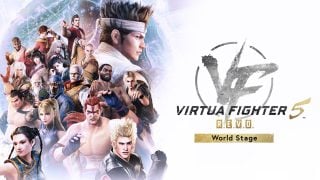


Sega’s announcement that Virtua Fighter 5: R.E.V.O. would be coming to Nintendo Switch 2 was a significant development for two key reasons. One: having the game on a portable system would give competitive players the chance to practice literally anywhere their hearts desired. And two: this belated port marks the first time a Virtua Fighter game has properly appeared on a Nintendo platform (outside of emulation in the Yakuza/Like a Dragon games). With Virtua Fighter 5 turning 20 this year and the series approaching its 35th anniversary, it’s shocking to think it never graced a Nintendo console until now. The wait was definitely worth it if you’ve been a Nintendo faithful your whole life.
Since the naming structure of Virtua Fighter is a little confusing, here’s a quick crash course on the various versions of VF5 over the years. Virtua Fighter 5 originally released in arcades in 2006 with ports to PlayStation 3 and Xbox 360 the following year. Over time, it received various updates with new characters, balance changes, and additional modes. Looking to move onto the next game in the series, Sega released Final Showdown for Arcades in 2010 before bringing that to consoles in 2012. Sadly, the series would then go dormant for almost a decade until Sega announced Virtua Fighter 5: Ultimate Showdown for the PlayStation 4 in 2021.
Released in June 2021, Ultimate Showdown was a remake/new version ported to Ryu Ga Gotoku’s Dragon Engine that updated the game for modern platforms while bringing a few more balance tweaks. Released as part of PlayStation Plus’ monthly free games, it was a second start for Virtua Fighter that would finally bring about the development of a new game in the series. While we’re still waiting for that new game, Sega would port Ultimate Showdown to PC as Virtua Fighter 5: R.E.V.O. Later making its way to PlayStation 5 and Xbox Series X|S with the single-player “World Stage” mode, this is the most current version of the game and the one that contains the most features thus far.
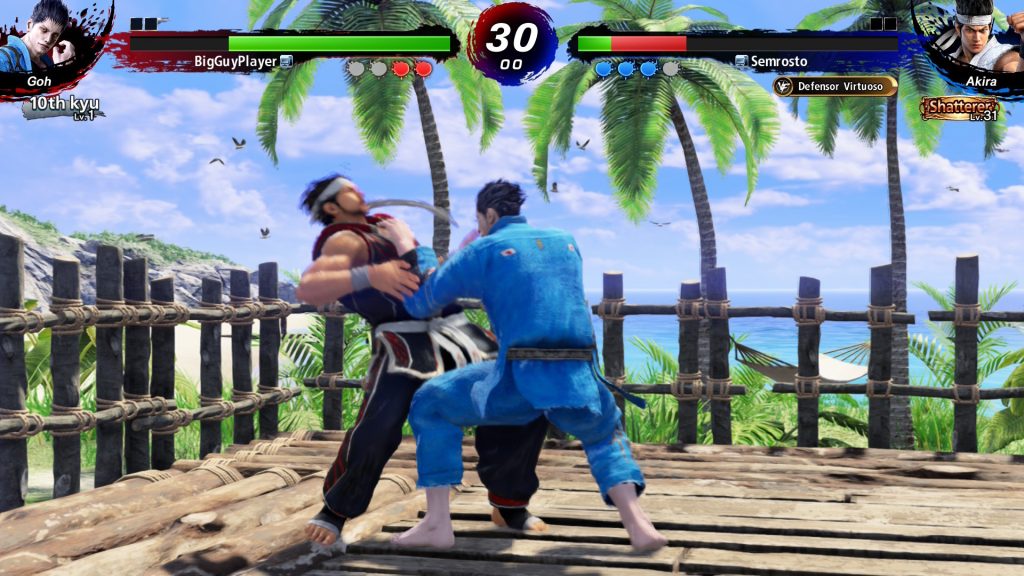
As confusing as that might be, you shouldn’t let all of that history scare you away from playing R.E.V.O. on Switch 2. The delayed release was likely because Sega was working to ensure this port wouldn’t fall short of the other ports, which all feature crossplay for online battles. During the early review period, crossplay is the only reason I was able to even test online connectivity as it doesn’t seem like a lot of people were eager to play on Nintendo’s console. I’m not sure why because the technical makeup of this port is rock solid.
Before I get into my thoughts on Virtua Fighter, I want to discuss how this version runs. A fear with any Switch 2 port of a multi-platform port is that you’re going to get a subpar iteration of that game, but R.E.V.O. on Switch 2 is very comparable to the older PS4 port of the game. Utilizing DLSS for upscaling, it renders at 1080p and maintains 60 fps at all times. It looks quite nice, though blowing it up on a 4K display reveals some of the visual shortcomings of Nvidia’s technology. In handheld mode, it’s sharp as hell thanks to the lower resolution of the panel.
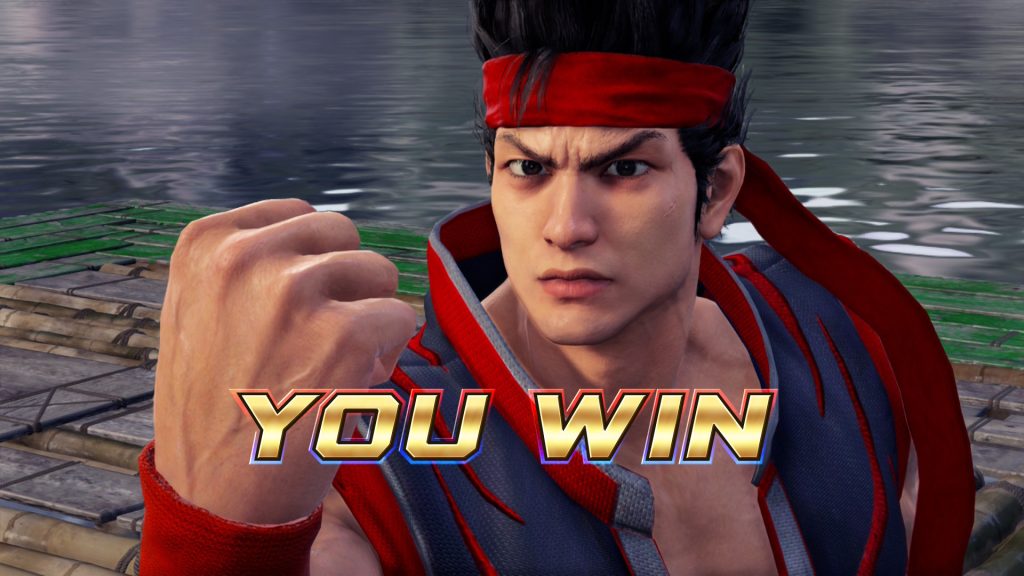
Control-wise, I’m one of the few weirdos that believes the split D-pad on the Joy-Con is pretty good for fighters. Virtua Fighter utilizes inputs that rely more on cardinal directions rather than circular motions, so it’s pretty easy to input those on the Joy-Con. The buttons are definitely a bit small, which led me to dropping some strings. That’s less a problem with the game than the user, but arcade sticks and more proper gamepads do exist for you to tweak your experience. You can still rebind all of the buttons to your liking, so you’re not losing out there either.
Online-wise, R.E.V.O. features rollback netcode, so matches are mostly great. I had a few problems with dodgy connections when doing worldwide searches, but everything else felt incredibly natural. I tested through a wired connection in docked play and even in handheld mode and lag was rarely a concern. It’s a special feeling to be knocking out combos from the comfort of your bed while connected with a player on PC while someone on PS5 is queued up in the lobby. I did encounter some matchmaking issues where I was constantly pitted against someone 25 ranks higher than me, but that might be a player pool problem during the launch period. At least I was able to connect with them at all, because a lack of crossplay would have completely killed the viability of this port.
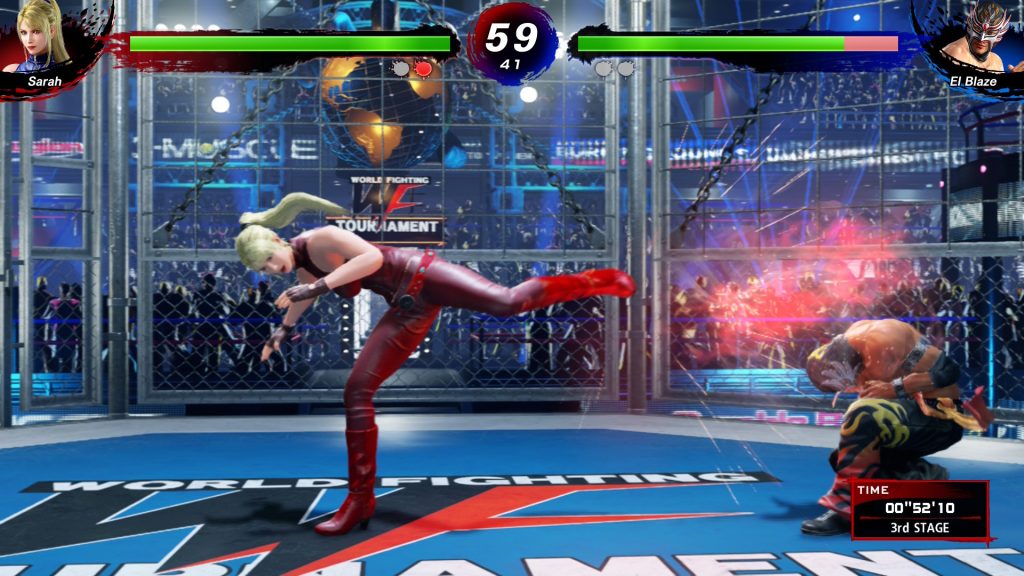
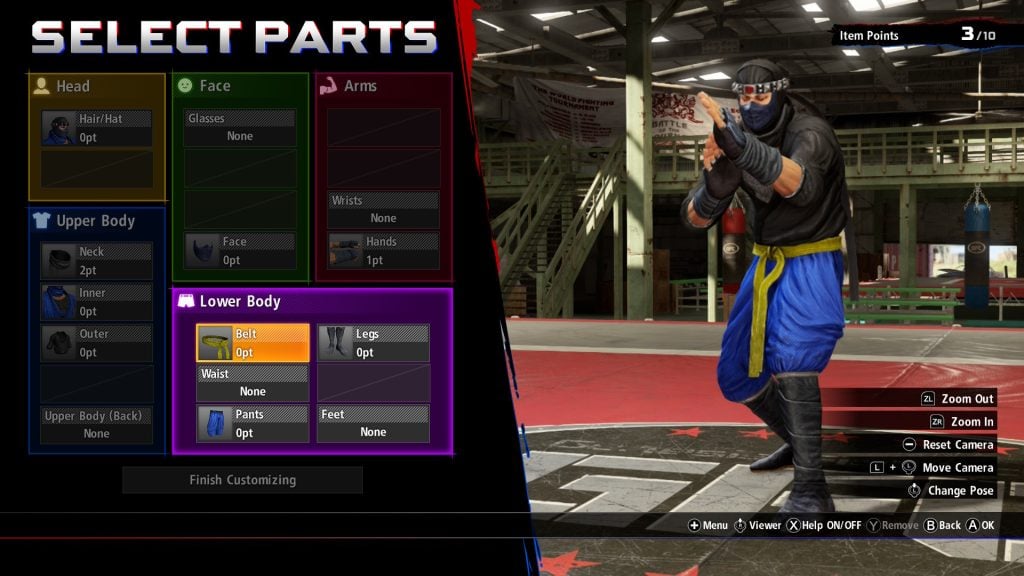
Thankfully, that isn’t the case. Either is the content of R.E.V.O. as everything is included here. If you don’t want to play exclusively online, the “World Stage” campaign is there to occupy you. I think it’s maybe a bit bare bones, but it works as some good practice for hitting specific combos without getting bodied online. The character customization feature is still here, which is fun to tinker with. Practice mode is fully featured, which I appreciate for trying to remember a couple of Akira’s longer combos. This really is just Virtua Fighter 5 on a Switch 2 with no compromise.
I think that’s fantastic, too. The release of the original Switch gave rise to the idea that competitive players could practice combos and match ups on their handhelds while queueing up for tournaments, and that has mostly been a reality. It really only stopped happening when developers shifted over to next-gen platforms, which the Switch couldn’t completely handle ports of. We’ve seen some remarkable conversions like with Guilty Gear -Strive- and Dragon Ball FighterZ, but then you’ve also got Mortal Kombat 1 and its frankly disastrous Switch port. No crossplay in most of these games has also stopped them from being your port of choice if you wanted to jump online.
With Virtua Figther 5: R.E.V.O., however, this could be your sole purchase of the game. I guess it not natively supporting 4K is a knock against it, but then that doesn’t matter in the slightest for competition. It also doesn’t hurt the quality that Virtua Fighter has, which is its ability to mimic real-life martial arts through its animations and inputs. While modern fighters go for flashy special moves and ridiculously long combo strings, Virtua Fighter has remained pure in its display of hand-to-hand combat. It does lack personality in its roster, but once you get the hang of its specific quirks, you feel like you’ve mastered a forbidden art.
I personally have access to other versions of Virtua Fighter 5, so I can’t say that I’ll be playing it exclusively on Switch 2 from now on. If I didn’t previously own it, though, then I’d just stick with this. While not the flashiest port you’ll ever experience, it’s got feature parity and excellent performance that matches the other versions. Sega has done an incredible job making this the potential definitive version or competitive players, and I hope it continues for other fighting games making the jump to Nintendo’s platform.
Leave a Comment

Written by Peter Glagowski
Peter has been a freelance gaming and film critic for over seven years. His passion for Nintendo is only matched by the size of his collection.
