
Final Fantasy VII is one of those games I’ve never been able to completely shake since I first played it nearly three decades ago. While I didn’t play it right at launch (I was a N64 kid, after all), I did end up picking up the PC release a few years later. (It came in one of those giant PC game boxes you probably remember if you’re old like me.)
But rather than spending half of this review reminiscing, I’ll try to keep things focused. Long story short, Final Fantasy VII’s characters, story, music, and twists stuck with me for years. And while we eventually got spinoffs like Crisis Core on PSP, Dirge of Cerberus on PlayStation 2, and even a full-length movie, Final Fantasy VII: Advent Children, which expanded on the story even more, it still never felt like enough. Like countless other fans, I was practically begging Square Enix for a full-on remake of the original.
And about six years ago, I finally got my wish… sort of.
Final Fantasy VII Remake arrived on the PlayStation 4 in 2020 as more of an introduction rather than a full-on remake. Square Enix expanded the opening hours of the original into a 40+ hour experience set entirely within the opening city of Midgar. That’s right. Remake is part of a trilogy, with the second installment, Final Fantasy VII Rebirth, already available on PlayStation 5 and PC. (And coming to Switch 2… at some unknown point.)
So yes, a lot has happened since Remake first launched in 2020. But here’s the short version. As someone who has played this game on PS4, PS5, PC, and even the Steam Deck, the Switch 2 version of Final Fantasy VII Remake is absolutely worth picking up. Not only are the story and gameplay still top-notch after five years, but Square Enix somehow managed to deliver one of the most technically impressive handheld titles I’ve ever played and, in my opinion, the new gold standard for Switch 2 ports.
Graphics and Presentation
As mentioned above, this is the fifth platform I’ve played Remake on, so it’s safe to say I’ve seen this game running at just about every resolution and performance level available. To put it simply, the Switch 2 version looks stunning in both docked and handheld modes. But I have to tell you, it really shines in portable play, in a you-need-to-see-it-to-believe-it kind of way.
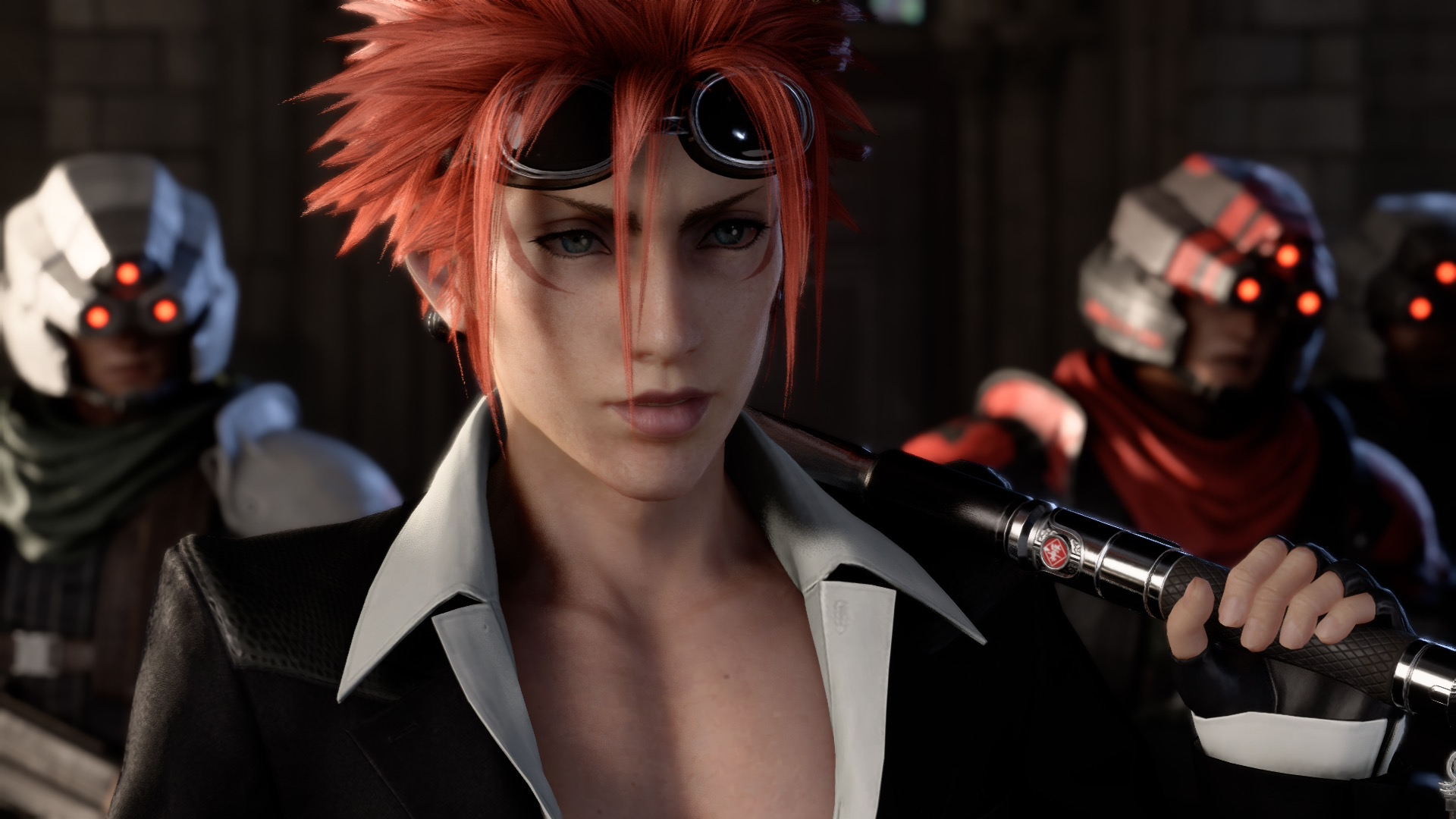
It’s honestly difficult to put into words just how good this game looks on the Switch 2’s 8-inch screen. Character models are sharp and richly detailed (with the exception of some generic NPCs), and the environments are absolutely jam-packed with life. That said, not every texture is flawless. The biggest offenders tend to show up in the slum areas, where piles of scrap metal and cluttered alleyways can look a little… low-poly. Aerith’s flower garden is another spot where things occasionally fall apart, with some flowers looking a bit wonky when viewed up close.
That said, the vast majority of what you see looks drop-dead gorgeous.
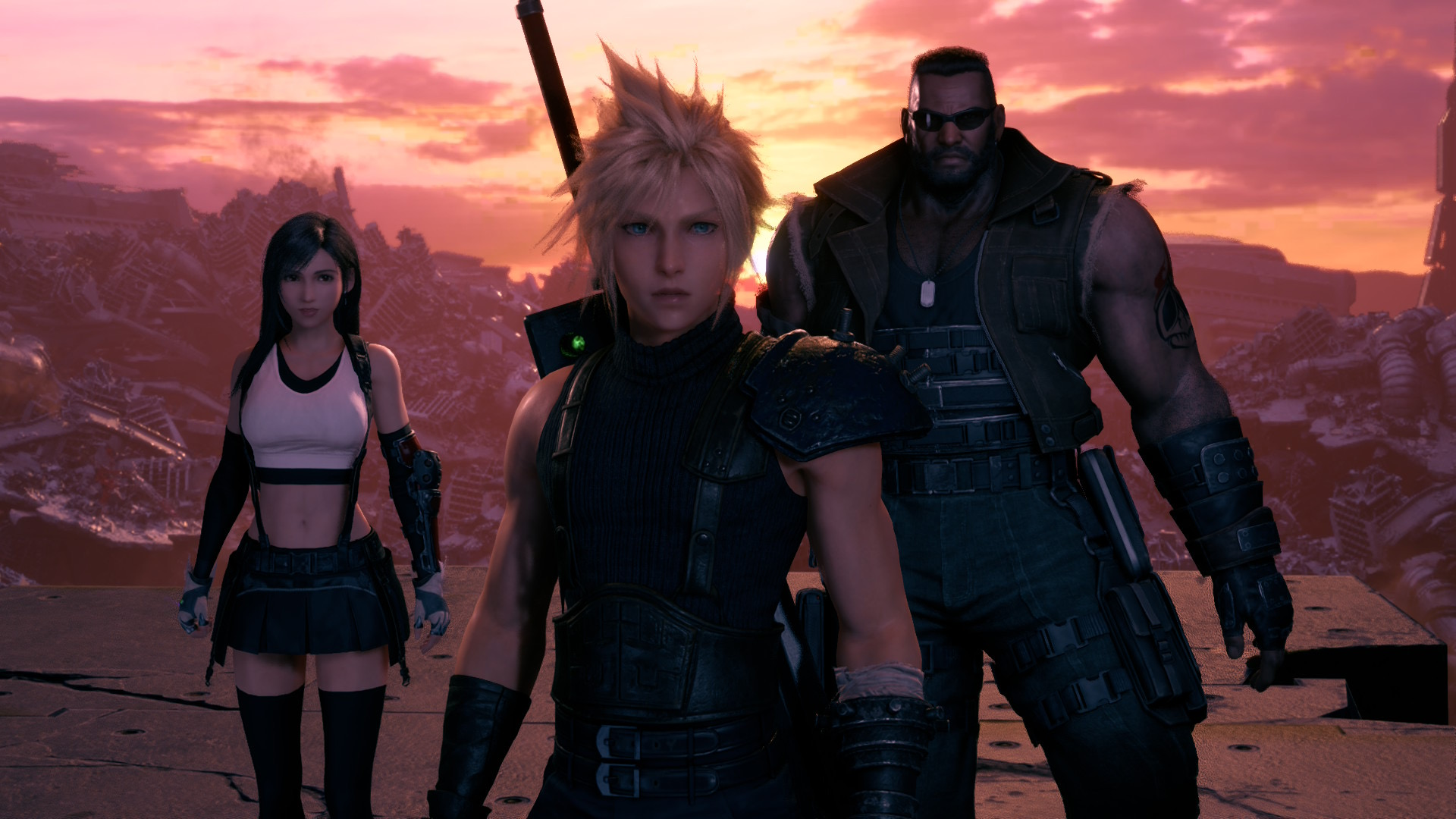
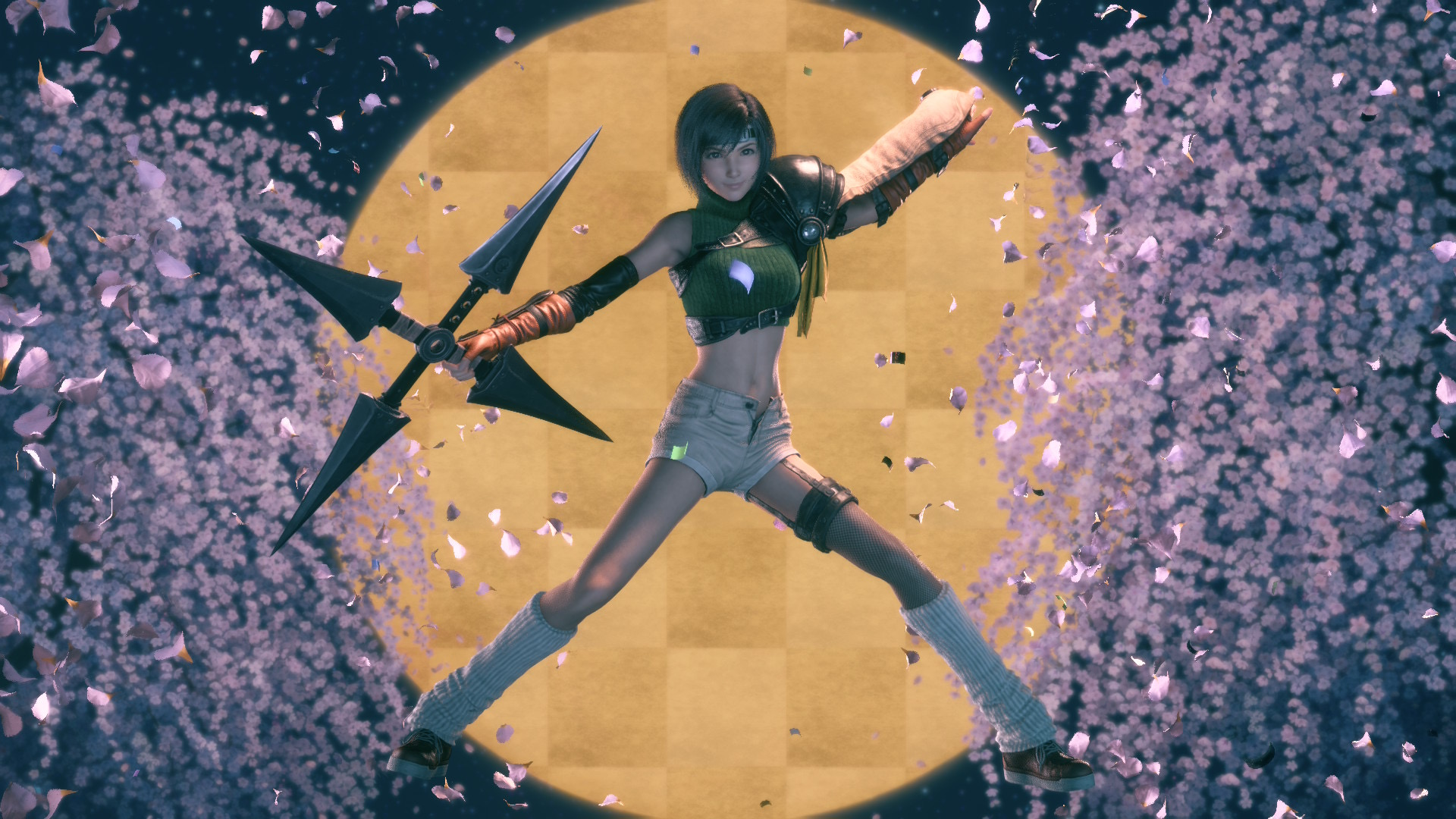
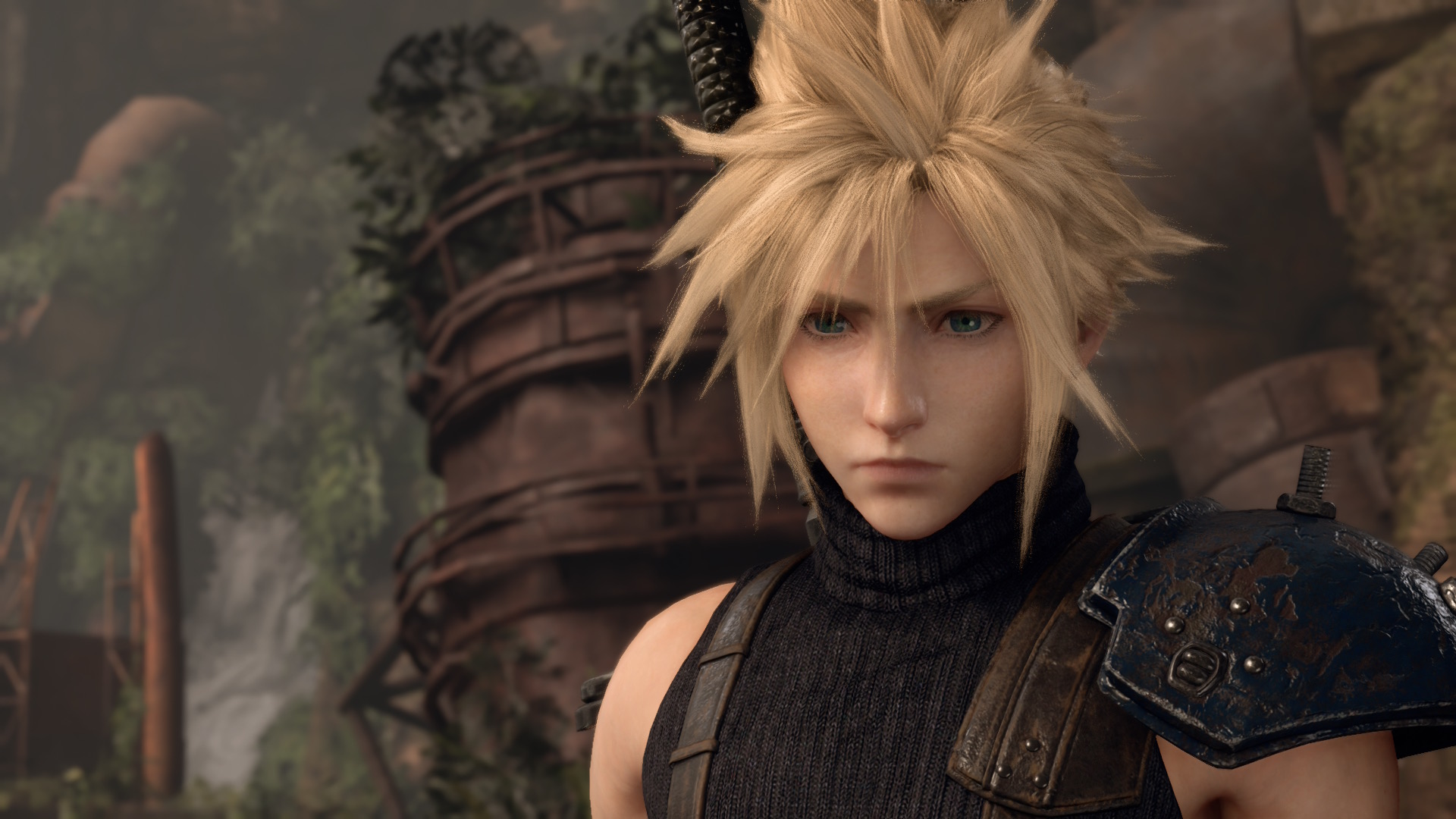
The real visual standouts, though, are the main cast. Cloud, Tifa, Barret, Red XIII, Sephiroth, the supporting members of Avalanche, and the game’s many enemies are rendered with an incredible level of detail. Everything from facial expressions to clothing textures to the scratches and wear on Cloud’s iconic Buster Sword. Seeing this level of fidelity on such a small screen never stopped being impressive, even hours into my playthrough. Heck, I was still snapping screenshots in the games final chapter because it looked so damn good!

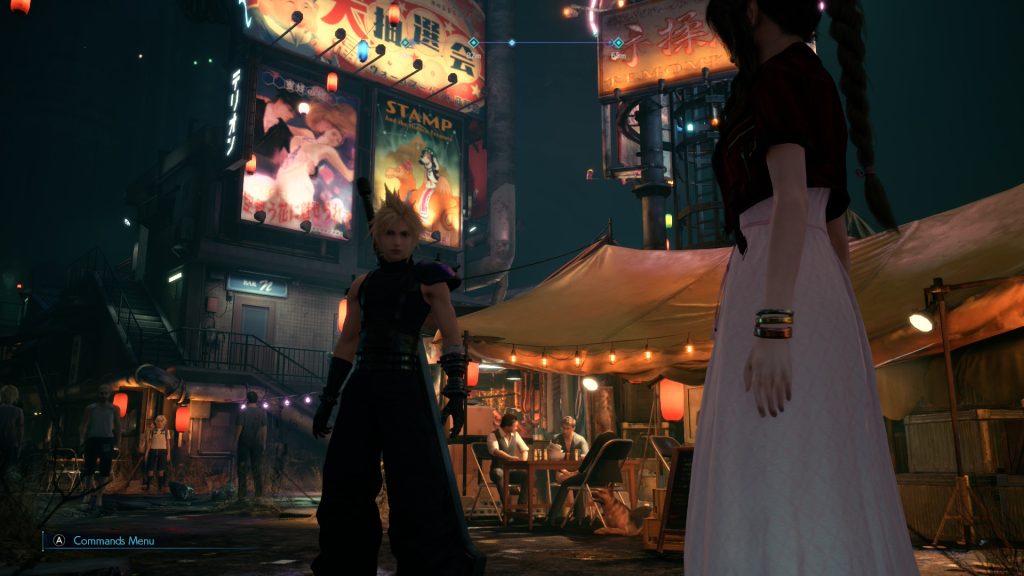
Wall Market – Docked (Left) vs. Handheld (Right)
You may have noticed I’m talking a lot about handheld play, but you might also be asking, what about docked mode? Honestly, I had a hard time spotting meaningful differences during normal gameplay. I even grabbed screenshots of the same scenes in both modes and struggled to tell them apart. The biggest giveaway tends to be Cloud’s hair, which looks slightly cleaner in docked mode compared to the noise you can occasionally see in handheld play. But granted, it’s also a lot easier to spot imperfections on a 77-inch OLED than on an 8-inch screen. Long story short, visuals in both modes are among the best I’ve seen on Switch 2. Whatever witchcraft Square Enix is using here, I sincerely hope we see more of it in future Switch 2 ports.
Music & Sound
In my humble opinion, the music of Final Fantasy is just as important as the story and the visuals. Legendary video game composer Nobuo Uematsu pretty much wrote the soundtrack of my early adult life, as most of the music I’ve listened to while working over the past 20 years has been a compilation of his work, from Final Fantasy IV all the way through Final Fantasy IX. Because of that, I was slightly worried when I found out that Uematsu would only be returning in a minimal fashion for Remake.
That said, Uematsu and Japanese rock singer Yosh did contribute an all-new original track called “Hollow,” which is sprinkled throughout the game and is most notable during the ending. But the rest of the score is led by Masashi Hamauzu and Mitsuto Suzuki, who previously composed the fantastic soundtrack for Final Fantasy XIII.
Thankfully, nearly all of the roughly 150 tracks in Remake are lovingly recreated in a way that even the crankiest Final Fantasy fans like me can appreciate. One of my favorite reimagined tracks has to be “Due Recompense,” which remixes the original PS1 Wall Market theme with an almost Tekken-like techno beat. Now don’t worry, not every example is quite this extreme. There are plenty of tracks, like “Aerith’s Theme” and the iconic “Let the Battles Begin” battle theme, that are simply enhanced with a full orchestra rather than fully reimagined. Gotta draw the line somewhere.
So I guess what I’m saying is that Remake’s soundtrack is so good, it’s officially been added to my work playlist right alongside the PS1-era Uematsu classics.
Performance & Stability
Of course, none of this matters if the game doesn’t actually run well.
Thankfully, Final Fantasy VII Remake manages to look fantastic while maintaining a steady 30 fps in both handheld and docked modes. Across my entire Switch 2 playthrough, I only noticed minor frame pacing issues twice, both during transitions from cutscenes to gameplay, and never during combat. Even then, they were brief and had no real impact on the experience.
Yes, the game is locked at 30 fps on Switch 2, but it never bothered me. I’ve played Remake at 60 fps on PS5 and PC, and honestly, my Switch 2 experience was just as enjoyable. Combat feels responsive, camera movement is stable, and nothing about the performance ever pulled me out of the experience.
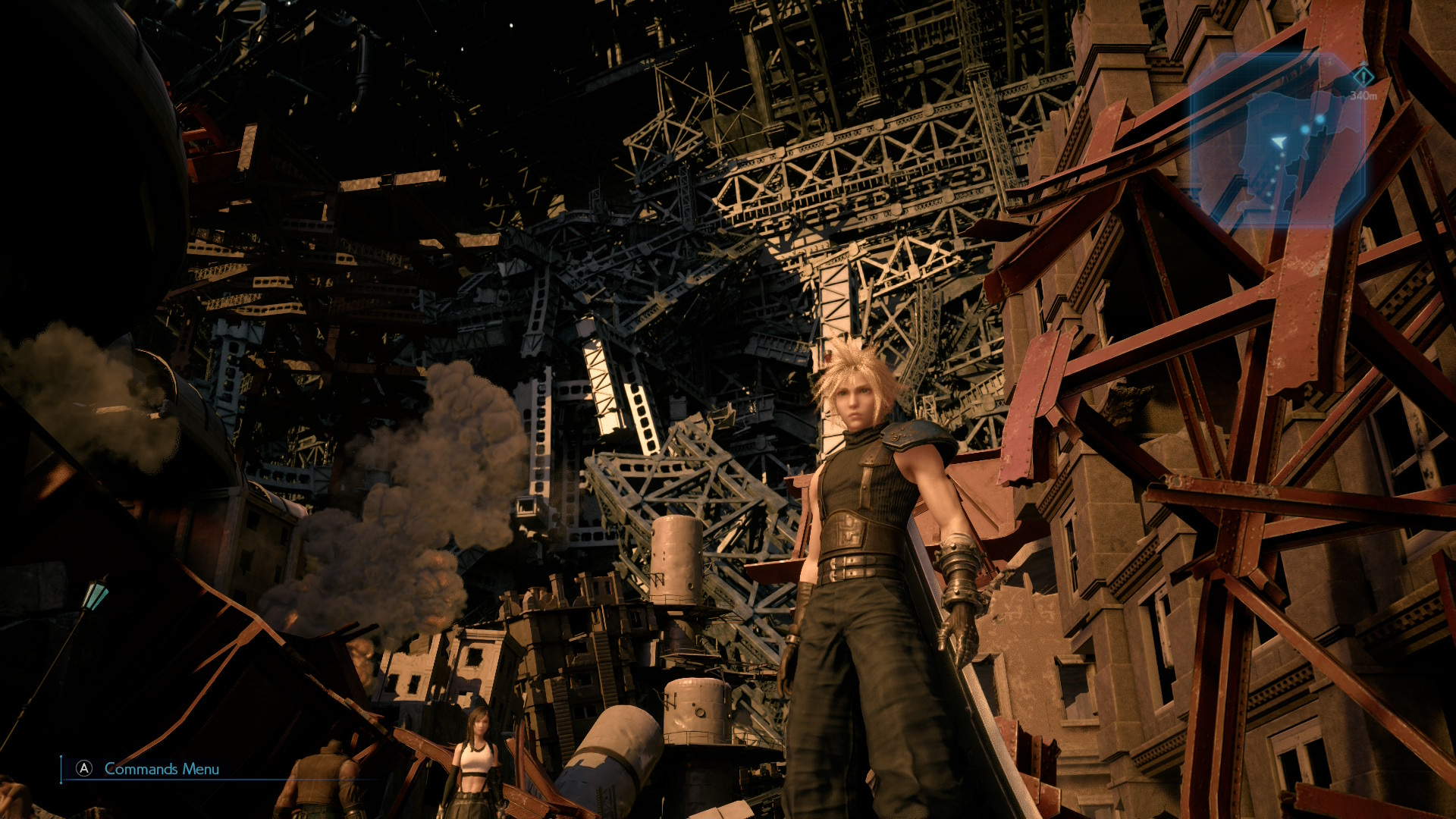
The only real complaint I have shows up in one specific area of the Intermission DLC. The Sector 7 slums are absolutely jam-packed with NPCs, noticeably more than in the same area of the base game. Because of this, you’ll see a fair amount of NPC pop-in as you move through the area. At first, I assumed this was an issue unique to the Switch 2 version. However, after jumping back into the PS5 version, I noticed the same behavior there as well, just not quite as often. In the grand scheme of things, this is a pretty minor complaint, but it does make me a little anxious about how densely populated towns like Cosmo Canyon, Junon, and Kalm will hold up when Rebirth eventually lands on the Switch 2.
But as I mentioned in our demo impressions, I’m not a member of Digital Foundry. I can only call it like I see it. And what I see is a graphically impressive game running at a stable frame rate consistently in both handheld and docked mode. If you’re looking for a deep dive on frame pacing, dynamic resolution, or DLSS upscaling, you’ll sadly have to go elsewhere.
Welcome to Midgar
If you’ve been part of just about any gaming community over the past 20 years, chances are you’re already well aware of the story, setting, and characters of Final Fantasy VII. They’ve become so ingrained in gaming culture that spelling out every story beat here would probably be doing most of you a disservice. So instead, here’s the extremely abbreviated version.
Cloud, a disgruntled ex-SOLDIER (an elite group of genetically enhanced warriors), becomes a mercenary for an eco-terrorist group called Avalanche, led by Barret Wallace. Their goal is to stop the Shinra Corporation from draining the Lifestream, the literal lifeblood of the planet, and converting it into an energy source to power the city. Along the way, Cloud is joined by his childhood friend Tifa and meets Aerith, a mysterious flower girl with abilities we don’t fully understand.
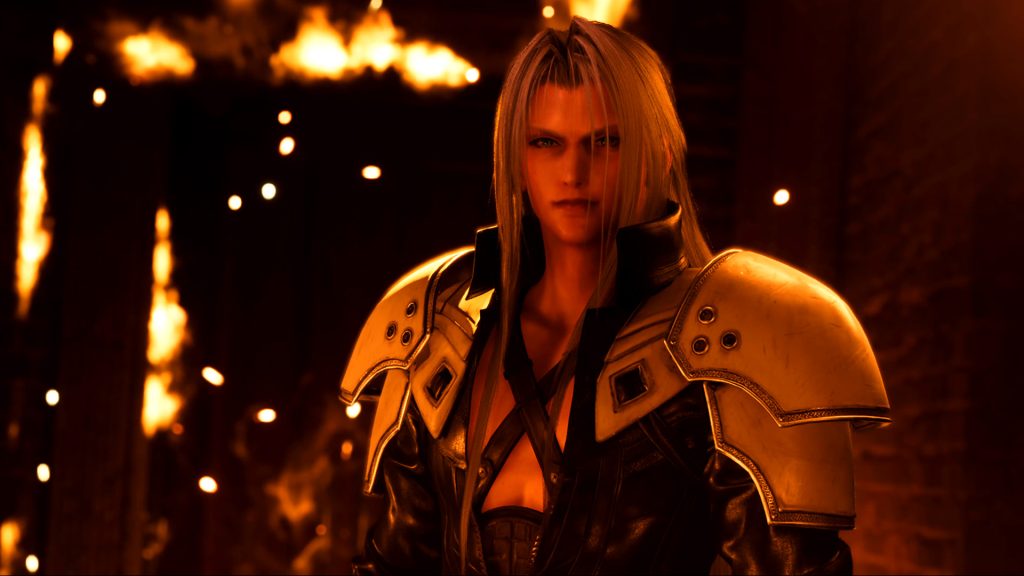
And of course, looming over all of this is Sephiroth. Once celebrated as a hero, he now exists more as a haunting presence than a straightforward villain, appearing in fragments and visions that plague Cloud with painful flashes of memory. Sephiroth’s role in the Midgar section was fairly minimal in the original Final Fantasy VII, but that presence is expanded significantly in Remake.
That expanded focus on Sephiroth is also a good example of how differently Remake approaches its storytelling. The original PS1 version moved quickly and followed a very traditional RPG structure. Remake, on the other hand, takes its time, expanding character moments and letting Midgar feel like a living, breathing place rather than just a quick stop on the way to the world map.
Let’s Mosey!
On the gameplay front, the biggest shift comes in combat. The traditional turn-based random encounters of the classic RPG era are gone, replaced by a fast-paced action system built around an ATB gauge. As you attack, dodge, and block, the gauge fills, allowing you to slow things down by entering Tactical Mode to issue commands, cast spells, or unleash abilities at a much more leisurely pace.
As someone who grew up loving classic turn-based RPGs (and still does), I’m honestly not disappointed with this control style at all. Remake strikes a great balance between action and RPG systems, pushing me to think and react quickly while still giving me room to breathe when I need it through Tactical Mode.
Living in a Materia World
You can’t talk about Final Fantasy VII without mentioning one of its best features: Materia. These small, glowing magical orbs are formed from condensed Lifestream energy and grant their users the ability to heal, cast powerful spells, and even summon massive creatures. Best of all, they can be combined with weapons and equipment to create some truly powerful combinations.
Pair Lightning Materia with Elemental Materia in a weapon slot and your standard attacks deal lightning damage. Slot it into armor instead, and you can negate or even absorb lightning damage.
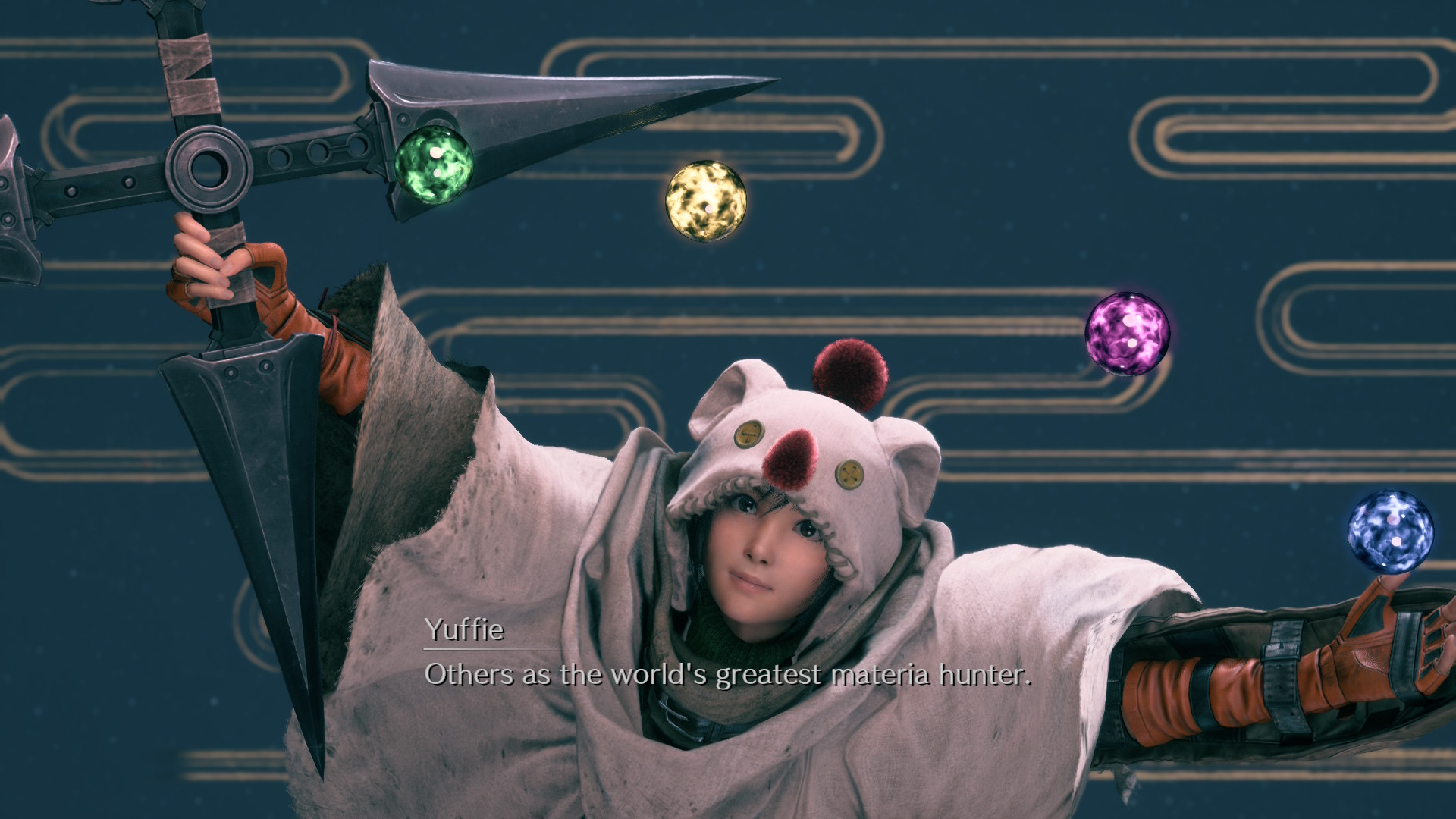
There are hundreds of combinations to experiment with, and enough depth here for players who love tinkering with builds. The Materia system, paired with the excellent ATB gauge, is what really makes Remake’s gameplay special, and that’s coming from someone who still loves turn-based RPGs.
The combat system can feel punishing if you go in with a pure hack-and-slash mentality, so use your Materia wisely. But for players who just want to experience the story, the Switch 2 version includes a Streamlined Progression option that lets you breeze through encounters with max health, max Materia, and max MP. Not the way I would play it, but if you’re really eager to see the story through, its a viable option.
Optional Content
Finally, there’s also a metric crap ton of extra content to tackle, either during your playthrough or after you’ve finished the main storyline. Each town is packed with side quests that let you earn extra Gil or hunt down rare items, and a slightly annoying, but oddly endearing, little dude named Chadley is always hanging around, ready to hand out VR fighting missions. Completing those unlocks new Materia, rewards, and even some powerful summons.

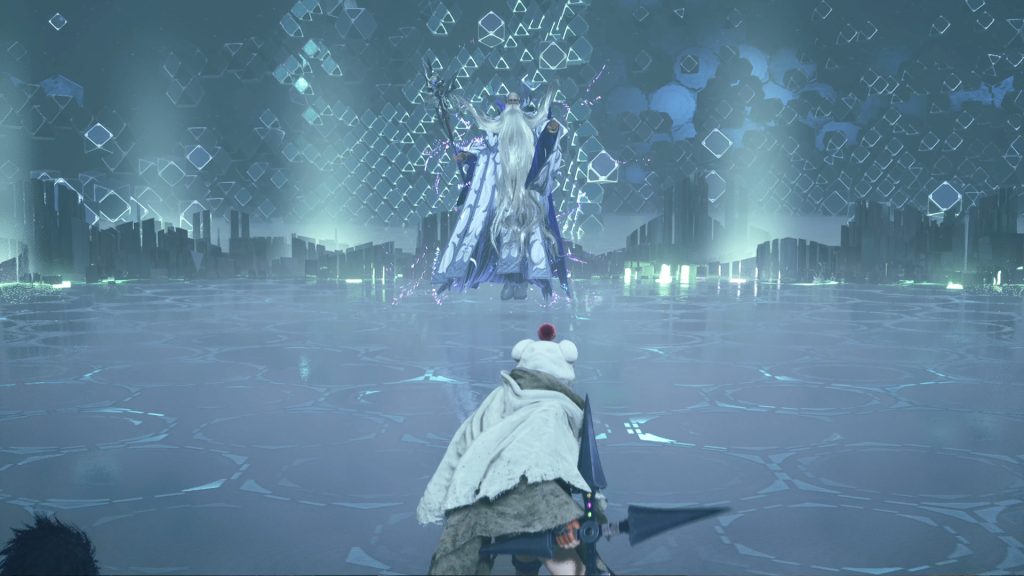
Fort Condor in Handheld Mode (Left) Summon Fight in Docked Mode (Right)
Beyond that, there’s a coliseum for battle challenges, a gym for pull-up and squat contests, a dartboard, an unlockable hard mode with even more optional challenges, and even a mini RTS-style game called Fort Condor included in the Intermission DLC. Heck, you can even unlock a Super Boss if you invest enough time. So if you’re the type of player who likes having plenty to do once the credits roll, you won’t be disappointed.
Personally, it took me well over 70 hours to see and do everything Remake had to offer. Not all of it will be everyone’s cup of tea, but the good news is that almost all of it is completely optional.
A Welcome Reunion
Final Fantasy VII Remake: Intergrade exceeded every expectation I had for it on Switch 2. Its visuals are surprisingly stunning, its performance is consistent, and there’s an impressive amount to see and do, even for being only the first part of a much larger story. Square Enix has clearly poured a lot of time and energy into making this port just right for the Switch 2, and I’m absolutely floored with the results.
Whether you’re a longtime Final Fantasy fan returning to Remake after a few years or a newcomer experiencing the world of Midgar for the very first time, this is an excellent way to play it. Playing through Remake on Switch 2 never felt like a compromise, which is something I honestly didn’t expect going in.
And for a game I’ve already played this much, that’s saying something.
Leave a Comment
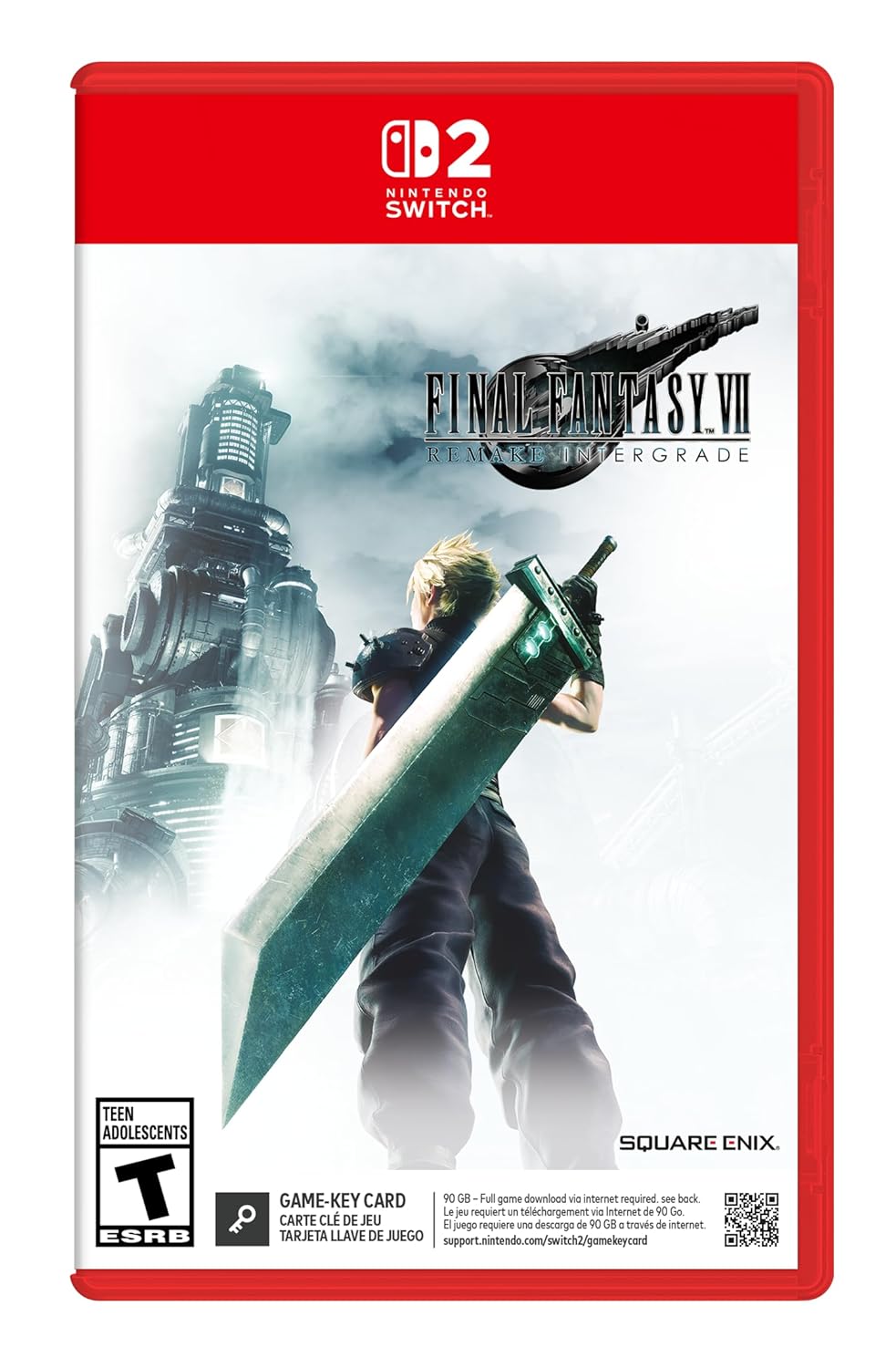
System: Nintendo Switch 2
Release Date: January 22, 2026
Categories: Action, RPG
Publisher: Square Enix
Developer: Square Enix

Written by Jason Ganos
Nintendo super fan since birth, Jason is the creator of Amiibo News and editor-in-chief at Nintendo Wire. One of his life goals is to provide the latest Nintendo news to fellow gamers with his natural know-how.
